

Exercise and Brain Health: How Physical Activity Boosts Cognitive Function
Exercise and Brain Health: How Physical Activity Boosts Cognitive Function
Maintaining good health has long been recognized as essential for overall well-being. But did you know that exercise and brain health are deeply connected? Regular physical activity does more than strengthen muscles and improve cardiovascular fitness. It also promotes cognitive function, enhances memory, and protects the brain against age-related decline.
Exercise and brain health are closely linked. Researchers have found that regular physical activity can delay the effects of both normal physiological aging and neurodegenerative conditions, improving memory, attention, and executive functions. Understanding how exercise is good for the brain can help you choose the right types of activity and make the most of your workouts.
From heart-pumping aerobic exercise to iron-pumping strength training, learning how to incorporate brain-boosting movement into your routine is one of the most powerful steps you can take for long-term cognitive health.
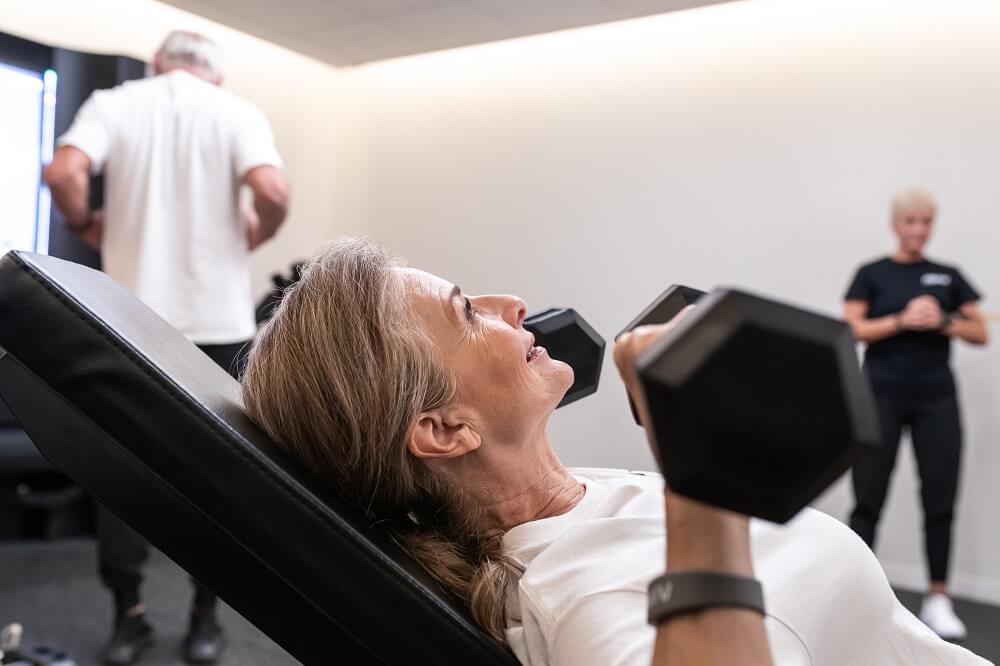
Cognitive Changes With Age (and Why Exercise Matters)
As we age, a slight level of cognitive decline is inevitable due to the normal aging process. Minor issues with memory and slower thinking are to be expected. But older adults are also increasingly at risk for mild cognitive impairment, including “conceptual reasoning, memory, and processing speed,” as well as dementia, which includes conditions like Alzheimer’s disease.
Some of the risk factors for these conditions are out of your control, such as age, genetics, and family history. However, your overall health plays a role, too. In the event of an unexpected incident, such as a stroke, your general health and wellness become focal points for your recovery.
The more proactive you are with your health, no matter your risk factors or circumstances, the greater your investment in your long-term health potential. Basically, staying healthy and active can help protect your brain.
How Exercise and Brain Health Are Connected
Healthy habits, including a nourishing diet and regular physical activity, are critical players in the healthy aging process. Emerging research discovered that exercise is linked to “improved cognitive performance in older adults with and without cognitive impairment.”
These results are promising for anyone concerned about maintaining cognitive and brain health as they age, especially considering the aforementioned risk factors beyond their control. This occurs primarily because exercise impacts the brain on both a short- and long-term basis, with measurable benefits occurring in both instances.
The Science Behind Exercise and Brain Health
How does exercise affect your brain? Any time you exercise, you’re pumping more blood to your brain tissues. Increased blood flow means more oxygen and other nutrients vital for the brain’s functioning.
In response, the brain also cranks out some helpful molecules, many of which “improve cognitive processes and memory.”
Here are just a few benefits of exercise for the brain:
- Neurotransmitters (NTs) like serotonin, norepinephrine, and dopamine are released, improving mood, motivation, focus, attention, and learning.
- Brain-derived neurotrophic factor (BDNF) helps your brain repair and rebuild, creating new neurons and connections.
- Hormones work with BDNF and can boost your mood and mental clarity.
- Endorphins and other molecules are released, helping relieve pain.
- Increased blood flow delivers nutrients and carries away waste products.
- The hippocampus increases in volume.
Two areas of the brain are particularly important when it comes to cognitive decline: the hippocampus and prefrontal cortex (PFC). These areas are the most susceptible to cognitive degeneration or impairment.
1. Exercise Benefits for the Hippocampus and Memory
The hippocampus, which is responsible for memory and learning, is affected by exercise in a few ways. Studies show that with aerobic exercise, brain matter shows “an increase in volume of the left and right hippocampus,” an area that often declines in volume as we age. The hippocampal decline also occurs significantly with Alzheimer’s disease, which can be “reduced by 25%” for those with the condition. The hippocampus is also a primary area where neurogenesis (creating new brain cells) can occur with sufficient exercise.
2. Benefits of Exercise for the Prefrontal Cortex and Executive Function
The other region benefiting directly from exercise is the prefrontal cortex, or PFC. The prefrontal cortex is sometimes called the brain’s “CEO,” as it is responsible for most of our executive functions, including decision-making, attention, problem-solving, and goal-setting. Studies show that older adults, in particular, can benefit from exercise due to increased “executive functions mediated by the PFC.”

Maximizing Brain Health Through Holistic Exercise
Exercise benefits brain health significantly because it involves so many bodily processes simultaneously.
Exercise, for both your body and mind, is a powerful practice that can help build confidence, aid in recovery, and even help to stimulate processes “related to cell survival and neuroplasticity” (the brain’s ability to change and adapt).
Aviv Clinics clients receiving the innovative Aviv Medical Program optimize their brain health. Their personalized treatment plan can combine cognitive exercises alongside physical training, nutritional coaching, and Aviv’s unique research-backed hyperbaric oxygen therapy (HBOT) protocol. As part of the program, many clients perform dual-task exercises on the cutting-edge h/p/cosmos medical treadmill at the clinic. This combination of physical and cognitive effort maximizes the benefits of the treatment program, which include improved memory, attention, focus, information processing, and mental clarity.

Lifestyle Habits that Support Brain Health
Our brains haven’t changed much in the last 50,000 years or so, but our lifestyle certainly has.
In the days of our nomadic, hunter-gatherer ancestors, life was a little more physically demanding—our bodies are designed to move and be active. Sitting, it seems, could be making us sick.
Studies indicate that the average American these days sits for close to 11 hours daily and an estimated 20% of deaths over age 35 can be attributed to a sedentary lifestyle. Lack of exercise, poor diet, and use of alcohol, tobacco, or drugs are often a starting point. Falling into this sedentary lifestyle can quickly lead to a downward spiral.
The Best Exercises for Brain Health and Cognitive Function
Rest assured, as long as you’re moving your body regularly, you’ll likely see benefits. While all types of exercise have advantages, most studies favor those that elevate your heart rate and maintain it for a time.
Getting oxygen-rich blood pumping to the brain seems to be the best way to reap the benefits of exercise. Therefore, aerobic exercise (or cardio) and weight training are excellent starting places.
Exercise Intensity for Brain Health Benefits
The “prescription” for most older adults is to aim to exercise at a moderate intensity for 30-45 minutes, 3-4 times per week. An easy way to keep track of your progress is with a fitness tracker. Find out if a fitness tracker is right for you.
You can measure moderate intensity by keeping your heart going at the optimal rate, in this case, 70-80% of your maximum heart rate. To determine your max heart rate, subtract your age from 220. For example, a 70-year-old woman’s maximum heart rate would be 150. That means that to exercise at the right intensity, she should maintain a heart rate between 105-120.
You should warm up and cool down for aerobic exercise, but don’t count that as part of your total. The 30-45 minutes (as prescribed) should all be while your heart rate is at the target rate.
Strength Training and Cognitive Strength
Strength training can also be incredibly beneficial. Sarcopenia, or the loss of muscle mass as you get older, and osteoporosis, a reduction in bone mass over time, are increasingly common in older adults. Muscle-building exercises can help you retain this muscle mass and build strength in both areas of the body.
To get started, stick to a simple program that activates as many muscle groups as possible throughout the week. With strength training, it’s important to choose activities that are not too easy nor too complex and to give yourself at least one day of rest between sessions.
Avoid injuries by focusing on excellent form, whether lifting weights or performing body weight exercises. Always give yourself time to warm up your muscles with five to ten minutes of heart-pumping cardio or warm-up sets before diving into any challenging reps or sets.
6 Practical Tips to Make Exercise Work for Your Brain
If you’re like many (if not most) adults, you might be leaning more toward the sedentary end of the activity scale as you grow older. The exercise prescription above is an ideal goal, and it’s used primarily because that’s what they did in studies showing the best outcomes for cognitive health.
However, other studies showed that lower-intensity activities like walking “roughly 6-9 miles per week” and yoga could be beneficial, too.
Even if you’re aiming for that peak exercise intensity, there are many ways to make exercising for brain health fun, easier, and less stressful.

1. Find Movement That You Love
Exercise is about movement, so find a way to move your body that you enjoy. If that’s running laps, great. If you love to dance, then dance! And there are always sports and leisure activities: gardening, golfing, and bowling are excellent ways to move. Even window shopping or hula hooping can count as exercise. Need more ideas? There are plenty of non-boring exercises.
Finding enjoyable movement can also help change your perspective and shift away from goals like weight loss that may feel like a chore. Focus on how exercise makes you feel and the enjoyment you get from moving.
2. Slowly Build Stamina
If you’re already pretty active, or you’ve exercised a lot in the past, it will probably be easier for you to start. If you’re not as active as you could be, that’s okay, too. It’s never too late to begin a new exercise practice. Start small and build from there.
You’re more likely to stick with it if you’re realistic about your goals and abilities.
3. Examine Barriers to Habit
Building any habit takes time and planning. Give yourself the best chance at success by looking at exercise through a positive lens. For example:
- If it’s challenging to find time in your schedule, start with shorter movement durations whenever you can.
- If you dislike the gym, identify ways to stay active by doing things you enjoy, whether being outside, working out with friends, participating in low-impact activities, or exercising right at home.
The best plan accounts for daily routine hiccups that could potentially throw your goals off course. By remaining connected to the positive benefits you receive immediately after you engage in physical activity, such as an improved mood, a sense of accomplishment, or a boost of energy, it’s easier to stay on track even when life gets chaotic.
Remember that every day is a new day, and you can always switch things up or make adjustments as you go without throwing in the towel altogether. Slow and steady progress is more sustainable.

4. Work with Your Schedule
Depending on your exercise goals and your current level of physical activity, it’s a good idea to examine how you can build exercise into your routine naturally. From there, you can make goals to build around the momentum you’ve gained with every small step.
When you start to make goals, the SMART goal-setting method can make it easy to visualize where you’d like to go with your exercise routine.
SMART goals are:
- Specific: Break down precisely what you want to achieve. Rather than make a goal to simply walk more, aim for a specific number of steps or a weekly distance threshold you wish to reach.
- Measurable: Find a way to track your goal with metrics. You might use a pedometer to count your steps or employ a fitness tracker or smartphone app to count the miles you’ve walked.
- Attainable: It’s enticing to think big. Still, you’re more likely to stick to a movement goal if it feels like an achievable first step. Your plan should push your limits just enough to be effective but not so challenging that you feel discouraged.
- Relevant: Consider the benefits you’d like to gain from your goal. If building muscle is your intention, physical activity focusing on endurance training rather than strength training may make slower progress than if you focus on muscle-building exercises.
- Time-bound: Without putting unreasonable pressure on your results, choose a time frame within which you would like to achieve your goal. This can be a particular date or a certain duration. Scheduling can help you take actionable steps every day.
5. Add It Up
Ultimately, it’s about moving more and being more active. There are many ways to sneak in more exercise and break up sedentary periods. For example, if you sit a lot, you can try setting a timer to get up and walk around every hour, or start counting your steps and aim to increase them daily.
Many traditional ways to get more activity are still great, like taking the stairs, parking farther away, playing with kids, or doing housework and cleaning. Make it a goal to find a new way to squeeze in some daily activity.
6. Results Take Time—Be Patient
So, how long does it take before exercising starts to pay off? While you may feel many exercise benefits immediately afterward, like improvements in mood and energy, lasting results will take longer. Plan on giving it at least six months to assess your brain’s progress.
Regarding cognitive abilities, measuring and assessing can be challenging. You may not notice a substantial increase in cognitive ability. As some cognitive decline will occur due to normal aging, it’s often about slowing it down rather than a full reversal. It’s also common for family and friends to notice a change before you do.

The Bottom Line: Exercise and Brain Health for Long-Term Cognitive Vitality
The connection between movement and cognitive vitality is undeniable. Finding physical activities that you enjoy not only makes exercise sustainable but also maximizes the benefits for your body and your brain. Whether it’s walking, dancing, pickleball, or weightlifting, consistent movement can help maintain memory, focus, and overall cognitive performance, no matter your age.
At Aviv Clinics, we take brain health to the next level. Our personalized, evidence-based Aviv Medical Program can combine physical training, cognitive exercises, nutrition coaching, and our specialized hyperbaric oxygen therapy protocol to optimize brain performance. With nearly two decades of research and tracking, we can create a program tailored to your needs. Whether you’re concerned about age-related cognitive decline or a condition like traumatic brain injury, fibromyalgia, Lyme disease, or post-stroke recovery, our physicians can create a program designed especially for you.
Take charge of your brain health today. Contact Aviv Clinics today to schedule a free physician consultation and discover how a science-backed treatment plan can help you optimize cognitive performance, protect against decline, and support long-term vitality.
Frequently Asked Questions: Exercise and Brain Health
Can exercise slow cognitive decline as we age?
Yes. Regular physical activity is linked to improved memory, attention, and executive function, helping to slow age-related cognitive decline.
How does exercise improve brain health?
Exercise increases blood flow, oxygen, and nutrients to the brain. It also stimulates the release of BDNF (brain-derived neurotrophic factor), neurotransmitters, and hormones that support memory, focus, and mental clarity.
What types of exercise are best for brain health?
Aerobic activities like walking, swimming, and cycling, as well as strength training, improve cognitive function and support overall brain performance.
How often should I exercise for optimal brain health?
Aim for moderate-intensity exercise 30–45 minutes, 3–4 times per week, with a mix of aerobic and strength training for maximum cognitive benefits.
Is exercise beneficial for people with cognitive impairment or neurological conditions?
Research shows that exercise, combined with cognitive training and other interventions, can enhance cognitive function even in adults with mild cognitive impairment, post-stroke recovery, or TBI.
How Stress Affects the Brain (and 15 Healthy Ways to Handle Stress)
Stressed about stress? In that case, it’s probably not surprising to learn that stress affects your brain. Stress is an unavoidable part of life, but how we respond to it can make all the difference. From tight deadlines to unexpected life changes, stress triggers a cascade of physical and mental responses in the body, most notably in the brain. Understanding how stress affects the brain is essential to managing it effectively and maintaining both cognitive and physical health.
In this article, we explore the science behind stress and share healthy ways to handle it, backed by research, so you can protect your brain and improve your overall well-being.
What Happens in the Brain During Stress
Stress is our body’s automatic response to what it perceives as a threat. When we encounter potential stressors, the body releases a hormone called cortisol that quickly travels throughout the body and prepares us to fight, flee, or freeze in the face of whatever stressor is threatening us.
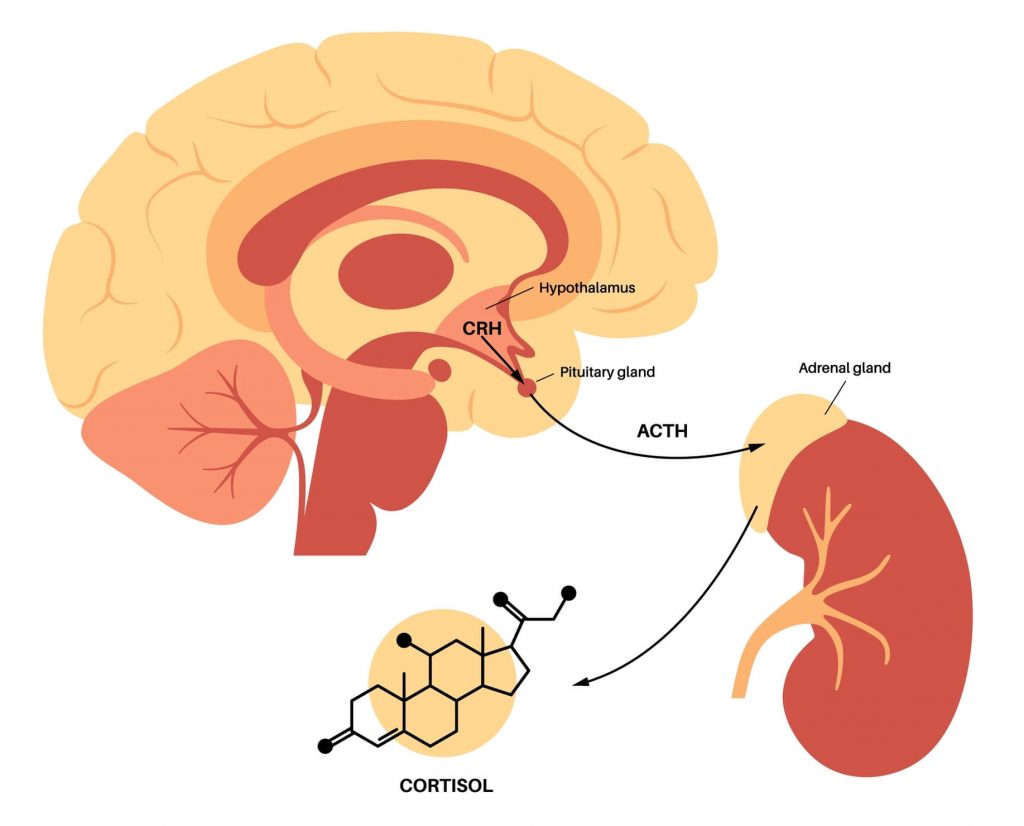
Generally, that’s a very good thing. The system evolved over tens of thousands of years to protect you from threats and keep you alive, whether you’re being chased by a sabertooth tiger, running away from an avalanche, or about to be clubbed on the head by a rival.
The only problem? While humans have made huge advancements in society and technology in the last 40 or 50 thousand years, that’s just a blink of the eye in terms of our biology. Our brains are operating on outdated software that doesn’t understand how threats to our survival have changed. An argument with a spouse or a looming work deadline isn’t actually going to threaten our survival, but our instincts don’t realize that.
Sometimes we need to engage the higher parts of our brain to understand that making a difficult phone call won’t kill us. It only feels that way, and it’s okay to shut down the alert system. The problems start when we’re not able to turn off our internal alarms.
How Stress Affects the Brain and Body
Stress can have both immediate and long-term effects on the body. In the short term, you may experience signs like shortness of breath, insomnia, digestive issues, brain fog, and more. There are many ways stress can affect the body in the short term.
How Stress Impacts Key Brain Functions
As the cortisol hormone surges throughout the body, it impacts many different areas. Most of the cells in our body have cortisol receptors, but the brain is particularly packed with them. Stress primarily affects three key areas of the brain:
- The amygdala controls your fear response and could make you feel constantly on edge
- The hippocampus affects memory and learning, potentially clouding your thinking
- The prefrontal cortex is the command center of the brain, used for problem-solving and regulating emotions
The effects of stress are so pronounced that they can be seen in brain scans. As your brain responds to stress signals, elevated cortisol levels can impact your cognition. This may make it more challenging to determine how to handle stress and cope with everyday situations.
What Happens to the Brain and Body During a Stress Response?
Once your body turns on the cortisol, several systems essentially go into “emergency mode.” Let’s say you’re hiking, and out pops a big bear. Immediately, cortisol floods the body, reallocating resources as needed to prepare you to fight, flee, or freeze. Utilizing your nervous system, cardiovascular system, metabolism, and more, cortisol helps to supply oxygen and nutrients to areas in need, suppresses the immune system, and modulates other sensations like appetite and satiety, attention, mood, arousal, and vigilance.
Cortisol conveniently works as a negative feedback loop, meaning that it effectively shuts itself off when levels reach a certain point. Under ideal circumstances, your physical response to stress should reduce or stop once the threat or stressor is removed.
This means that the physiological systems in the body that work together to respond to stress have two jobs:
- to prepare the body to meet the stressor
- to return to normal conditions when the threat is gone.
If it fails to do either of those correctly, the body can be subjected to excessive stress that could have long-term effects on the brain and body.
A landmark study in the 1990s by Kaiser Permanente and the Centers for Disease Control and Prevention (CDC) looked at the long-term health effects of adverse childhood events (ACEs). Examples of ACEs were experiencing or witnessing abuse or neglect, witnessing violence, having a loved one die by suicide, or having family members with mental health or substance abuse problems.
The study found that the number of ACEs one accumulated throughout early life directly corresponded to risk factors for a number of what are now typically referred to as stress-related diseases, such as heart disease, obesity, and depression.
Is All Stress Bad for the Brain
Stress in itself isn’t inherently bad. It mostly represents a heightened state of alertness brought on by the response to stimuli, which can be negative or positive. Stress is “your body’s response to anything that requires attention or action.”

Test anxiety, for example, can improve performance in the right “dose.” If one has so much anxiety that they’re sick to their stomach, their performance will suffer. On the other hand, someone with zero stress about the test may neglect to study at all. But just the right amount of anxiety can prompt us to act.
In this way, stress can motivate us to do something about a situation we want to change.
But change is a double-edged sword. In fact, change is one of the biggest causes of stress that often goes overlooked, especially when it’s a positive change.
Imagine you just got a big promotion at work. You landed your dream job, which means a move to another state. Your long-term partner decides to go with you and thinks you should get married, so you start looking for houses. Life couldn’t be better, right? So why are you suddenly getting panic attacks?
Any significant change to your routine is inherently stressful, even if it’s exciting. New jobs, big moves, and major life events like weddings and babies may be full of joy, but they still put stress on the body. That means that managing stress means managing all of its forms.

Healthy Ways to Handle Stress vs. Harmful Coping
Stress itself may not cause as many health issues as previously thought. Instead, how you react to stress may have a significant impact. While some responses are considered adaptive and have positive outcomes, sometimes we may think we’re handling stress well when it only seems that way.
According to this paper on stress, “what we consider to be an adaptive short-term response may subsequently provoke long-term pathophysiological consequences.”
We all respond to stress in different ways and have varying tolerance levels for stress. The same stimulus can provoke various reactions: A stimulus that angers some people may cause sadness in others; a stressor that provokes despair in one may inspire perseverance and courage in others.
When it comes to stressful events, how you choose to think about them can impact your health. If you see a potentially stressful event as a negative situation with no possible positive outcome, you may suffer more adverse health effects than if you view the situation as a challenge or opportunity to learn and grow. Thoughts really can affect your health.
How Reframing Stress Changes Brain Response
In a study done by researchers at Harvard and UCSF, researchers sought to prove the idea of “mind over matter”; that reframing how one thinks about a situation can actually change one’s physiological response to stress.
In this experiment, three groups were exposed to a stressful situation and monitored before and after to judge how well they responded physically to the stress. Before the task, each group was prepared according to the experimental condition:
- One group read information explaining that stress is a natural, adaptive, and harmless response to potential threats and that stress can actually improve performance or response to the stress. It was emphasized that while stress was “functional and adaptive,” it was still stress.
- Another group read information stating the benefits of ignoring or distracting oneself from a stressful situation, effectively instructing them to suppress the anxiety.
- A third control group was given no instructions.
Not surprisingly, the first group showed better outcomes in terms of cardiac and vascular function.
A larger related study of almost 30,000 people confirms this data: Your perception of how stress affects you can affect your health.
The best health outcomes were observed in those people who did encounter stress but did not consider stress to be harmful. The outcomes were even better for people with no stress at all. Conversely, those who encountered stress and worried about stress affecting their health showed a 43% increased risk of premature death.

How to Manage Stress Before it Affects the Brain
Although we can’t avoid many of the slings and arrows life hurls at us, we can cultivate the conditions that help us mitigate stressful situations. One of the best and still often overlooked strategies is maintaining good self-care. If we’re optimized physically, mentally, and emotionally, we put ourselves on a much better footing for dealing with challenges.
Self-care and stress have an interesting dynamic. Isn’t it strange that when we are under stress and need self-care the most, it seems to become the lowest priority? Imagine you have a ton of work to do, all before the weekend, and I suggest that getting more sleep could help you be productive. “Get more sleep? I can’t do that! Look at all the things I have to do!”
Real self-care is not wine and Netflix binges (even if they are fun in the short term). Proper self-care means actively doing what you need to do to maintain a happy, healthy life: watching your diet (because the gut and brain are closely linked), getting enough physical activity, and simply paying your bills on time. It’s all of the less-than-fun responsibilities that come along with being a functional adult.
So how do you manage to do all those self-care life chores without sacrificing productivity or recreation? It’s all about balance.
Try this counterintuitive trick to combat stress and too-much-to-do syndrome:
Slow…down…everything…that…you…do.
Take a day or even a few hours and commit to doing everything slower by 20%. Work 20% slower. Walk 20% slower. Read 20% slower. Talk slower, breathe slower, think slower. Meditation is also a great way to slow down and focus your mind.
You’ll likely end up accomplishing more and enjoying yourself more in the process.

15 Healthy Ways to Handle Stress (Backed by Research)
Ward off the physical and psychological impact of stressful situations by incorporating these 15 healthy ways to handle stress.
Mind-Body Techniques That Calm the Brain and Reduce Stress
- Meditation – A 2020 study on the impact of meditation on anxiety and stress demonstrated that even “five to twelve minutes of daily mindfulness meditation is associated with decreased stress.” Guided meditations are available on various apps, podcasts, and mindfulness websites to help you get started.
- Yoga –Research shows that yoga has “a moderating effect on the nervous system, the hormonal emissions, physiological factors, and regulation of nerve impulses,” which can reduce stress and anxiety. A consistent Hatha yoga practice, in particular, effectively reduces stress.
- Deep breathing – According to Harvard Health, taking focused, mindful breaths “encourages full oxygen exchange,” which can promote calm, relaxed feelings in your mind and body. Concentrated breathing for at least ten minutes daily can help you detach from stressful thoughts and sensations.
- Progressive muscle relaxation – Progressive muscle relaxation (PMR) involves activating and then relaxing your muscles individually. The goal is to mindfully release any physical tension that may interfere with feelings of well-being. Find a quiet place, start with your toes, and work up your body to find relaxation.
Physical Activity That Relieves Stress and Supports Brain Health
- Cardiovascular exercise – Participants in a study on the relationship between heart-pumping exercise and the stress response showed “significantly reduced stress reactivity” after 12 weeks of endurance training. Increase your heart rate through swimming, running, cardio classes, or cycling.
- Strength training – Research has shown a positive correlation between resistance training and “improvements in mental health, including increased cognition, mood, and general quality of life.” This is because repeated muscle activity releases feel-good endorphins that help boost feelings of well-being and reduce the sensations of stress.
- Outdoor activities – According to Stress Reduction Theory, exposure to nature can help you recover from physiological stress and mental fatigue. Breaking a sweat while outside can help enhance feelings of well-being with the natural mood-boosting hormones that come with physical activity.
- Mind-body exercises – Mind-body exercises, like Tai Chi, combine mental focus with physical activity. This combination can make a significant difference in the way you experience stressful feelings. Other mind-body activities include stretching, qigong, Pilates, and even hobbies with light physical movement, like gardening.

Daily Lifestyle Habits to Lower Stress and Improve Well-Being
- Healthy eating habits – In times of stress, many people turn to food as a coping mechanism. Rather than overindulging in unhealthy foods, practice healthy eating habits. Plan to eat three healthy meals daily and stick to nourishing foods unlikely to exacerbate feelings of sluggishness, irritability, or anxiety.
- Adequate sleep – Sleep and stress often exist in a feedback loop, where stress-related insomnia can become a chronic problem that perpetuates problems with both. Poor sleep habits are “associated with higher blood pressure and cortisol level during psychosocial stress.” Implement excellent sleep hygiene habits and aim to get at least seven hours of sleep per night to support your system.
- Time management – A balanced schedule is crucial to help relieve the mental load that contributes to feelings of stress. Think about how to handle stress daily. Try careful pre-planning and time management with each of your work, home, and social activities. Divide your schedule as evenly as possible between the tasks that matter most to you, always leaving time for leisure in your agenda as well.
- Social support – When stress starts to feel overwhelming, it can be hard to ask for help. In this case, a strong support network is essential. Look for ways to find support for everyday stressors weighing on you, such as support groups or mental health programs.

Seeking Professional Support for Managing Stress
- Therapy – Friends and family can be excellent sources of support. Still, sometimes it’s helpful to find a neutral third-party trained in therapeutic stress management. These professionals can create an understanding, unbiased environment to help you vent stressful feelings and practice healthy ways to handle stress by learning new coping skills.
- Counseling – Specialized stress-focused counseling can help you address the connection between your stress response and your thoughts and behaviors. Counseling can be done individually, but you can also find couples and family counselors for group support.
- Medication – There’s no medication for stress, but there are medications that can help to manage the signs and symptoms of chronic stress and anxiety. Talk to your doctor if the stress has become challenging to manage on your own to see if medication is right for you.

The Bottom Line: Protecting Brain Health From Stress
The way we deal with stress matters. Stressing about stress becomes a self-fulfilling prophecy; the more you worry about stress affecting your health, the more it can affect your health. Seeing stress for what it really is—an adaptive response that evolved to protect you from threats to your well-being—and practicing proper self-care can ultimately lead to better long-term health.
The Aviv Medical Program takes a holistic approach to health that can combine hyperbaric oxygen therapy, cognitive exercises, physical training, and nutrition coaching to achieve optimal results. Based on over a decade of research and development, the intensive treatment protocol is customized to your needs. Aviv Clinics in central Florida is the only center in the United States to offer this program.
Contact us today to learn if the program is right for you.
Last Update: October 2, 2025
Menopause Brain Fog vs. Dementia: Understanding Hormonal Impact on Memory Loss
We all know that menopause changes your body. But did you know that menopause can also affect brain health? Hormone changes caused by menopause can cause cognitive issues like memory loss, learning problems, and trouble concentrating. These changes may be so gradual that you might not notice them at first, or so insignificant that you don’t pay them much attention. But is the brain fog you’ve been experiencing caused by menopause, or something more serious? Let’s discuss menopause and brain health.
How Menopause Hormones Trigger Cognitive Decline & Memory Lapses
Menopause is the gradual shutdown of the female reproductive system. In the United States, the average starting age for menopause is 52. However, perimenopause (the symptomatic period) can occur much earlier, lasting anywhere from two to eight years.
Perimenopause brings a whole host of symptoms with it, including hot flashes, sleep problems, menstrual changes, and notably, cognitive difficulties. More than two-thirds of menopausal women report experiencing problems with memory, concentration, and executive function. For a long time, we only had anecdotal evidence of the cognitive difficulties that menopausal women face. But recent studies have revealed scientific evidence that “menopause brain fog” can be clinically detected.
If you’ve been having trouble concentrating on your favorite book or struggling to remember words since beginning your menopause transition, it’s not just in your head. The fluctuating hormone levels in your brain could be the cause of your minor memory loss. There’s still a lot we don’t understand about why menopause impacts the brain. But one of the key factors is thought to be the declining levels of the hormone estrogen, which plays a crucial role in the brain.
Estrogen isn’t only produced in the ovaries. The hypothalamus gland in your brain also manufactures precursor signal hormones that ultimately end up making estrogen elsewhere in your body. Estrogen is active in the prefrontal cortex and hippocampus, which are important to maintaining memory and executive function.
Having proper levels of estrogen in the brain is also vital to proper aging because estrogen imbalances are thought to play a role in the development of Alzheimer’s disease. More research on the physiological differences between male and female brains is needed to understand whether this is one of the reasons why women may be more susceptible to dementia than men.
Menopause Brain Fog vs. Dementia: Key Differences You Should Know

Fortunately, menopause-related brain fog is often mild and can disappear on its own with time, just like other unpleasant aspects of menopause, such as hot flashes. For many women, this is a huge relief. It can be incredibly cathartic to know that there’s a reason behind why you keep misplacing your phone or struggle to concentrate on your favorite book. But how do you know if your cognitive problems are actually caused by menopause?
The symptoms of menopause-related brain fog and other age-related cognitive disorders often overlap. You might have been dismissing your brief lapses in memory as just another quirk of menopause, when in reality, they could be the start of early-onset dementia or Alzheimer’s disease. Just because menopause and brain health are interrelated, this doesn’t mean that your memory lapses are menopause-related.
But how do you tell the difference?
What’s the Difference Between Menopause Brain Fog and Early Dementia?
Menopause-related brain fog often includes mild, temporary issues such as forgetfulness, difficulty concentrating, or struggling to find the right word. These symptoms usually improve over time as hormone levels stabilize.
In comparison, early signs of dementia may involve more serious or progressive concerns, such as:
-
- Repeating the same questions frequently
- Getting lost in familiar places
- Struggling with simple tasks or directions
- Forgetting common words or names
- Difficulty making decisions
- Noticeable changes in personality or behavior
If cognitive symptoms interfere with your daily life or worsen over time, it’s important to consult your physician for a full evaluation.
Women are nearly twice as likely to develop dementia as men, so it’s vital to stay vigilant for the warning signs of dementia early on. When in doubt, it’s always best to raise your concerns with your doctor rather than dismiss them as nothing. However, even if you don’t have dementia or Alzheimer’s disease, there are times when menopause-related cognitive decline can linger rather than naturally fade.
Estrogen, Menopause and Brain Health: Scientific Connections
In a study published in the Journal of the Menopause Society, researchers discovered that the advancement of menopause was a “key determinant of cognition” among both pre- and post-menopausal women. The women included in the study were primarily low-income women of color, some of whom also had HIV. The study followed the women for several years, from pre-menopause through post-menopause. Every two years, the women underwent testing to assess their cognitive abilities, including memory, verbal learning, attention span, processing speed, motor skills, executive function, and more.
Even after adjusting for age and other factors, the overall odds for a decline in cognitive function still increased throughout menopause. Many of those in the test group had even reached a “clinically significant level of cognitive impairment” by the end of the study. Although HIV might have had a role to play in the severity of the decline, cognitive problems also persisted in women who didn’t have HIV.
Science still hasn’t determined exactly why menopause-related cognitive problems naturally fade in some women and linger in others. Fortunately, there are ways to help yourself through these cognitive issues.
Effective Lifestyle Strategies to Alleviate Menopause-Related Brain Fog
In general, living a healthy lifestyle can help you balance your hormones during menopause and alleviate cognitive symptoms. This includes a healthy diet, exercise, and keeping your mind active.

Nutrition. Eat foods that promote brain health, such as whole fruits, vegetables, lean meat, and nuts.
- Fish are full of omega-3s, which can boost brain power.
- Leafy greens such as kale, spinach, and collards are rich in brain-healthy nutrients like folate and vitamin E.
- Take care to avoid eating sugar and processed foods, which can not only increase brain fog but also worsen other menopausal symptoms, like hot flashes and sleep disruptions.
- Eating dairy products rich in calcium can also help offset your risk of developing osteoporosis, which increases during menopause.
Exercise. Regular exercise increases blood flow to the brain, and an oxygenated brain is a healthy brain. Even a brisk walk down the block with your partner or pet can help you lift your mental fog. Exercise can also help ward off menopause-related weight gain, if you’re concerned about that.
Meditation. Of course, you can also exercise your brain directly. Mindfulness activities like meditation can increase your focus and help you concentrate on your important tasks more easily. You can even combine mindfulness with physical activities like yoga to get the best of both worlds!
The Bottom Line: Supportive Solutions for Menopause-Related Cognitive Decline
While menopause can leave you feeling foggy or out of sorts, you can take steps to alleviate your symptoms by living a healthy lifestyle. Keep an eye out for any cognitive problems that negatively impact your life, and contact your doctor if you feel that something is out of place. Whether you or someone you love is going through this transitional period in life, remember to always be kind, patient, and understanding.
Restore Cognitive Clarity with the Aviv Medical Program
At Aviv Clinics, we understand the frustration that comes with cognitive changes. The personalized Aviv Medical Program addresses cognitive decline at its source — whether it stems from aging, illness, or other health factors. Using a unique, evidence-based hyperbaric oxygen therapy (HBOT) protocol, advanced brain imaging, and complementary therapies like nutritional counseling, physical activity, and cognitive exercises, we help clients restore clarity, memory, and focus.
If you’re concerned that menopause — or another cause — is affecting your brain health more than it should, we’re here to help you get to the root of the issue and create a plan for optimal long-term brain performance.
To learn more about the personalized health program available at Aviv Clinics and discover how we can help, contact the clinic.
Last Update: July 7, 2025
Study Shows Hyperbaric Oxygen Therapy (HBOT) May Reverse Early Alzheimer’s Symptoms and Amyloid Plaques
Can science reverse Alzheimer’s disease? A groundbreaking study has brought scientists one step closer to preventing and curing age-related cognitive decline, especially related to the early stages of Alzheimer’s disease and dementia.
This landmark study, published in Aging on September 9, is part of an ongoing program researching age-related cognitive decline. Conducted by the Sagol School of Neuroscience and Tel Aviv University, the study marks the first time that hyperbaric oxygen therapy (HBOT) — a noninvasive and non-pharmaceutical method — has proven effective in reversing the main activators and early symptoms of Alzheimer’s disease.
HBOT is a form of oxygen therapy that involves administering 100% pure oxygen to a patient in a pressurized environment. It has been used for more than half a century to treat conditions such as non-healing wounds and decompression sickness. The study used a specific protocol of hyperbaric oxygen therapy designed to initiate the hyperoxic-hypoxic paradox in cells.
A treatment based on this unique protocol is now available at Aviv Clinics Florida.
How Aging and Blood Flow Contribute to Alzheimer’s Risk
The brain is an incredibly complex organ, home to a vast network of nerve cells (neurons) that rely on oxygen to thrive. As we age, the number of efficient and effective blood vessels in our brain naturally begins to decline. This causes reduced blood flow to the brain, which in turn causes the brain to receive less oxygen. This decreased blood flow is called vascular dysfunction, and it’s a known precursor to Alzheimer’s disease, along with amyloid plaques.
Amyloid Plaques and Their Role in Alzheimer’s Disease
Amyloid plaques are hard, insoluble clusters of proteins formed in the spaces between the neurons in your brain. A healthy brain usually flushes them out without consequence. However, just like plaque can accumulate on your teeth if you don’t clean them regularly, the same thing can happen in your brain.
As the brain ages, it’s more susceptible to forming amyloid plaques in its blood vessel walls. Once an amyloid plaque forms, it can damage the neurons in the brain. These plaques are thought to contribute to the progression of Alzheimer’s disease and the cognitive decline associated with it.
For years, scientists have wondered whether or not it’s even possible to dissolve or shrink amyloid plaques. The groundbreaking new study proves for the first time that a unique protocol of HBOT can reverse amyloid plaques and prevent them from forming in the first place.
Are You At Risk of Developing Alzheimer’s Disease?
Learn how a simple blood test available at Aviv Clinics may be able to answer this question: pTau Testing
Reverse Alzheimer’s? Study Shows HBOT Protocol May Reduce Amyloid Plaques and Boost Cognition
Researchers initially treated laboratory mice with hyperbaric oxygen therapy to understand its effect on amyloid plaques. In this first part of the study, researchers delivered HBOT to a group of mice whose brains contained amyloid plaques. The mice received two 60-minute HBOT sessions a day, five days a week, for four weeks. The researchers discovered that HBOT significantly reduced the amyloid burden in the mice’s brains, decreasing amyloid plaques by over 30% and shrinking plaques by nearly 19%.

HBOT was also shown to prevent the formation of new amyloid plaques, and the mice exhibited improved performance on cognitive tasks when compared to the control group, providing evidence that HBOT improved their cognitive functions.
The rodent study gave promising new evidence that HBOT can be used as both a treatment and a preventative measure for Alzheimer’s disease. Researchers then sought to use the same protocol with human subjects.
The human test group consisted of six patients around age 70, all suffering from mild cognitive impairment. After receiving 60 daily HBOT sessions over three months, patients saw significant improvements in their cognitive functions. Improvements included better memory recall, concentration, and response times.
The researchers hypothesize that this is due to HBOT’s ability to increase blood flow in the brain. When the brain receives more blood, it receives more oxygen. And when the brain receives more oxygen, it can function at a higher capacity.
The Future of Alzheimer’s Treatment: Hope Through HBOT
The study offers hope that HBOT can one day be a viable drug-free method to prevent, treat, and even potentially reverse Alzheimer’s disease.
“By treating vascular dysfunction, we’re mapping out the path toward Alzheimer’s prevention. More research is underway to further demonstrate how HBOT can improve cognitive function and become an influential tool in the imperative fight against the disease,” affirms Dr. Shai Efrati, one of the investigators conducting the study.
Access the Only U.S. Clinic Offering this Alzheimer’s HBOT Protocol
Dr. Efrati is chair of the Aviv Medical Advisory Board. Aviv Clinics in central Florida is the largest and most advanced civilian HBOT clinic in the United States, and the only one that offers the study’s specific HBOT protocol as part of the Aviv Medical Program. This personalized treatment program uses comprehensive testing and assessments to help craft a treatment plan for each client. As part of the program, HBOT can be supported by other evidence-based therapies, including nutrition counseling, cognitive exercises, and physical training to optimize client outcomes.
For more information about the Aviv Medical Program, HBOT treatment, and how it may help your brain health, please contact us.
To read the study published in Journal Aging – click here.
Last Update: July 3, 2025
Brain Games: How Cognitive Training Enhances Brain Health
Monopoly, Minecraft, solitaire, bridge: Games are often associated with fun times and good memories. Young or old, we love games for the challenge, the excitement, and the enjoyment that they bring us.
But could playing games also boost your brainpower?
The innovative Aviv Medical Program includes the use of cognitive training (aka “brain games”) to help enhance cognitive functioning. Continue reading to learn why brain training is an important part of our proprietary program.
How the Brain Works — and Why It Needs Cognitive Training
The brain is a remarkable organ, but we don’t often think about everything our brain helps us to do. Something as simple as making a pot of coffee in the morning, when viewed from the brain’s point of view, can get quite complex. The brain has to stir your consciousness, fire the right neurons that direct your muscles to move the right way to get you out of bed, get dressed, make your way to the kitchen, and make some coffee.

There is a reason why we don’t think about this process very often; our brain goes to remarkable lengths to make sure you don’t get overwhelmed with too much information. Much of what we do is part of a routine, and the brain likes it that way because it can conserve energy. As we evolved, it was beneficial for the brain to be “lazy” and automate as much as it could, so that it could focus on our survival.
Nowadays, however, with our basic survival needs generally met, the brain doesn’t have as much to worry about. Much of the learning and growing that the brain experiences tends to happen earlier in life, and as we age, our brain focuses more on using existing skills rather than learning new ones. Although it makes things easier for the brain, it’s also how the brain ages and loses neurons. Conditions such as stroke and challenges like brain fog can also worsen cognitive decline.
Neuroplasticity and Aging: The Brain Can Grow at Any Age

For years, scientists agreed that, unlike many cells in our body that repair or replace themselves when damaged, when brain cells died, they didn’t come back. This turned our neurons into a precious finite resource. We thought that learning was primarily a process for the younger brain. Today, we understand neuroplasticity of the brain — that it brain can still grow, learn, and change at any age.
Consider how a muscle grows bigger and stronger. Remember what happened the last time you did something physical that made you really sore? You might have thought, “I didn’t even know I had muscles there.” Muscles get sore because they’ve been challenged by something they’re not used to doing.
The brain learns and grows in almost exactly the same way.
When the brain does the same routine activities every day, it’s the mental equivalent of sitting on the couch all day.
But when the brain encounters something new or challenging, it can learn and grow. Novelty spurs the brain to form new neurons and neuronal connections, building networks of brain activity much the way muscles build muscle fibers.
Boosting Brainpower Through Cognitive Challenge and Novelty
Any activity that’s new, exciting, or challenging for the brain has the potential to build brainpower and even improve cognitive function.
The brain was designed to solve problems and devise solutions to previously unasked questions. When it encounters things that it’s never experienced, our learning process kicks in.
Gaming is a great way to shake things up for your brain without having to abandon the familiarity of your favorite routines.
If you’re wondering if games are a good way to train the brain, you’ll be happy to hear that data shows cognitive training can improve quality of life and ward off cognitive decline. Dietary changes and exercise can also help.
Clinical Evidence: What the ACTIVE Study Says About Brain Training
The Advanced Cognitive Training for Independent and Vital Elderly (ACTIVE) trial was designed on the premise that cognitive function can be trained and may improve health outcomes and quality of life for older adults. The study aimed to show the actual practical impact that cognitive training can have on daily life.
The study targeted three areas of cognitive function that start to decline on average in the mid-60s: reasoning, memory, and processing speed. A group of 2,802 adults aged 65 and older participated in the study. The treatment group received a total of 10 training sessions lasting 60-75 minutes each, over a period of five weeks. A control group received no training. A select group from the treatment group was also given “booster” training sessions 11 and 35 months later.
To determine the effects of the training, the participants were rated as they performed activities of daily living. These included getting dressed, preparing meals, shopping, managing finances, and so on. Subjects were rated on how independently the tasks were completed and the perceived level of difficulty. Additional computer-based tests analyzed participants’ reaction time as they responded to changing traffic signs.
The study also looked at secondary measures, including improvements in health-related quality of life, the impact on mobility and incidence of falls, and whether driving was affected.
ACTIVE Trial Results: Real-Life Benefits of Brain Training for Older Adults
The study found that all areas of cognitive function measured — speed, memory, and reasoning — showed immediate improvement as a result of the cognitive training.
Although some of the improvements dissipated by the end of the follow-up period, the training group still showed a significant improvement over the control subjects five years later. The booster groups that received additional training saw even better improvements.
The treatment group also reported significantly less difficulty in performing daily tasks. The results for self-reported quality of life were also better for the treatment group than for the control group.
Overall, participants in the treatment group had less difficulty performing functions of everyday living and reported better quality of life. Training also positively impacted driving abilities, including fewer 50% fewer at-fault accidents reported.
What Games Improve Cognitive Function in Older Adults?

The ACTIVE study shows the clear positive impact of cognitive training, and playing games is one of the best ways to train the brain.
Of course, not all games are created equally. While all engage the brain on some level, there are some specific brain functions one should ideally target.
What should you look for in a game?
Cognitive training at Aviv Clinics currently utilizes a platform called BrainHQ. One of the games, Double Decision, is a speed training game based on the intervention used in the ACTIVE study.
In Double Decision, the object is to spot an object that flashes in the middle of the screen while simultaneously tracking a second object that flashes in your peripheral vision. The player must then remember both the object in the center and the location of the other item. The game is designed to scale in difficulty as you improve by adding distractions to further challenge the brain.
Enjoyment Matters: Choosing Cognitive Activities You’ll Stick With
Although BrainHQ uses games that are optimized for the cognitive skills most in need of training, it’s important not to get too hung up on finding the “best” games for your brain. The truth is that the best games are the ones that you’ll play. After all, even the best game won’t do your brain much good if you never play it.
Focus on finding ways to challenge your brain that you enjoy and can ideally complete regularly. And feel free to change it up, too — the brain thrives on novelty! Whether it’s a crossword or sudoku puzzle on your own, a game of chess with a friend, or your grandkid’s latest VR video game, there are endless ways to have some fun while training your brain.
The Aviv Medical Program: Enhancing Brain Performance Through Cognitive Training
Aviv Clinics combines cognitive training with hyperbaric oxygen therapy and other personalized interventions to promote neuroplasticity and cognitive resilience. As the only U.S. location offering the unique, evidence-based Aviv Medical Program, Aviv Clinics in central Florida empowers you to optimize your brain health with lasting results.
Based on nearly two decades of research and development, the intensive treatment program is customized to each client’s needs. Using in-depth assessments, our physicians prescribe a personalized plan for each client.
For a free consultation with one of our board-certified physicians, contact us.
Last Update: July 1, 2025
Sweet Dreams: How Sleep Affects Brain Health As You Age
It doesn’t matter what age you are; getting a good night’s rest is essential for your physical and mental health. Taking the time to recharge every night is especially vital because sleep and brain health are closely related. However, as we age, sleep doesn’t always come as easily as it used to.
The National Sleep Foundation states that about 40% of Americans experience insomnia. Among older adults, more than 57 percent “experience a decline in quality of life and overall health due to insomnia.” The National Institute on Aging reported that insomnia is one of the most common problems experienced by adults aged 60 and over.
Insomnia and sleep disruptions have been known to worsen health conditions like Alzheimer’s disease and increase your risk factors for developing other health problems, including heart disease, Type 2 diabetes, and hypertension. Let’s dig into the science behind sleep and what our five best tips for a good night’s rest.
How Sleep Supports Brain Health and Cognitive Function
Sleep gives your body much-needed rest, but it’s also vital for maintaining your cognitive health. When you lie down to sleep at night, your body takes this time to cleanse your brain of toxins and waste. The space between your brain cells actually enlarges during sleep, allowing your body to wash out harmful substances like beta-amyloid proteins, which researchers have linked to the formation of Alzheimer’s disease. It follows, then, that getting enough sleep can help ward off Alzheimer’s disease.
A poor night’s sleep has also been tied to forgetfulness and lapses in memory. Because sleep is the vital period when our brains take time to consolidate our memories, not getting adequate sleep makes us more likely to forget things during the day. A good night’s rest is one of the most powerful weapons in your arsenal in the fight against mental aging.
Suffering from brain fog? Check out more on how to manage this difficult symptom.
Sleep Challenges in Older Adults: Why Rest Gets Harder With Age
Production of the “sleep hormone” melatonin naturally decreases with age, making it harder for older adults to fall asleep and stay asleep. The aging process also causes changes to the body’s natural circadian rhythm, which can make you get tired earlier than usual. Because of this, older adults are also more likely to experience restless sleep and waking up throughout the night.
Environmental factors can also be to blame, such as stress or a lack of structure in your life. Recent retirees sometimes have a hard time adjusting to changes in their schedule, which can lead to fitful sleep.
How to Improve Sleep and Brain Function Naturally: 5 Tips
Now that you know why a good night’s sleep is so vital, you’re probably wondering how you can improve the quality of your own rest. If you struggle with tossing and turning or restless nights, don’t worry. The good news is that healthy sleep habits are universal and can be practiced by anyone of any age.
Fortunately, it’s never too late to establish a healthy nighttime routine. Here are our 5 best tips to help you combat insomnia, in no particular order.
1. Exercise Regularly to Promote Deep Sleep and Brain Health
Exercise helps to keep you in good shape, but did you know that exercising can also improve your sleep? The Sleep Foundation has demonstrated a clear link between exercise and improved sleep quality in adults. Try using a fitness tracker, which can be useful to show your progress and motivate you.

To rest easier at night, try going for a brisk walk or bike ride outside. Exposing yourself to sunshine and fresh air can improve circadian rhythm, so you can stay active with your favorite outdoor hobbies like gardening and fishing. Just be careful not to exercise too late in the day: Getting worked up too close to bedtime may actually keep you awake.
2. Limit Daytime Naps to Protect Your Sleep-Wake Cycle
Napping is common among older adults and retirees, with research showing that around 25% of older adults take naps daily. But did you know that your daily power nap may actually be doing more harm than good?
It’s true. While a brief nap can be beneficial for a boost of energy, excessive napping can disrupt your circadian rhythm and make it harder to fall asleep at night. If you absolutely must have a nap, try to take it earlier in the day and make sure to sleep for no more than 30 minutes.
3. Build a Consistent Bedtime Routine for Better Sleep Hygiene
Human beings are creatures of habit, so practicing good habits before bed can help improve your rest. If you don’t already have one in place, try establishing a nightly routine before drifting off to sleep.
You can engage in soothing activities like taking a bath, reading a book or meditating to relax before bed. Sleep comes more easily in a cold room, so make sure that your bedroom is cool before you lie down. Always try to fall asleep at roughly the same time every night to establish a routine, and make sure that you fall asleep while lying in bed–not in a recliner or on the couch.
4. Avoid Screens Before Bed to Protect Circadian Rhythm and Cognitive Function
Although many of us like to fall asleep with the glow of the TV to keep us company, staring at screens before bed can disrupt our sleep. The blue light emitted by common electronic devices like smartphones, tablets, TVs and computers can disrupt your natural circadian rhythm. That’s why experts recommend cutting out all screens and electronic devices before going to bed.

A few hours before your usual bedtime, turn off all your TVs and power down your tablets, phones and laptops. You can replace time in front of the TV with screen-free activities like completing a jigsaw puzzle, playing cards or drawing in an adult coloring book. Instead of sleeping with your phone on your bedside table, try plugging it in to charge in another room. You’ll be less likely to check for texts or emails in the middle of the night and can rest more peacefully.
5. Watch What You Eat and Drink to Improve Sleep Quality
Eating or drinking certain substances too close to bed can cause sleep problems. Foods high in caffeine, like coffee and chocolate, have been shown to disrupt sleep patterns and interfere with melatonin production. Drinking alcohol late at night also could lead to restless sleep because it can cause decreased REM sleep. Never use alcohol as a sleep aid.
If you can’t do without your morning coffee, that’s perfectly all right. Just make sure that it stays a morning cup. Avoid consuming coffee in the afternoon and eating large meals too close to bedtime. Don’t drink too much water before bed, either, if waking to go to the bathroom is a problem for you. If you must eat before bed, try having something to boost your melatonin, like a handful of almonds or a cup of tart cherry juice.
The Link Between Sleep and Brain Health: Final Thoughts
Along with diet and exercise, getting a good night’s sleep is one of the most important things you can do to maintain a healthy mind and body.
If you’ve tried all these tips and nothing works, check with your doctor to see if one of your medications or an underlying health problem may be to blame. Insomnia can sometimes be a symptom of a more serious issue.
Sleep is just one of many tools on your belt you can use to live your best life possible, so try to rest well every night.
Last update: July 1, 2025
Understanding the Link Between PTSD and Traumatic Brain Injury (TBI)
PTSD and Traumatic Brain Injury: A Complicated Relationship
War Veterans probably spring to mind when most people think of post-traumatic stress disorder (PTSD). But many kinds of traumatic events can cause people to develop PTSD.
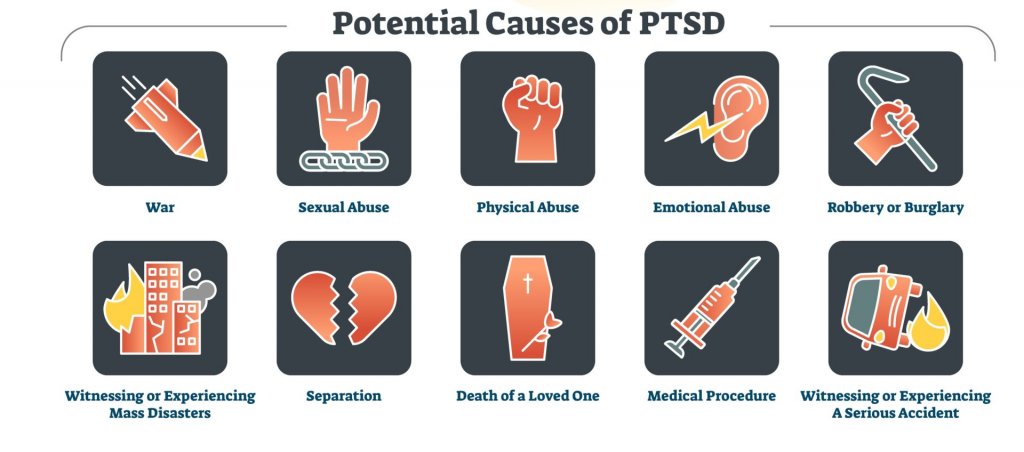
About 60-75% of Americans will experience at least one traumatic event during their lifetime, and the majority will experience more than one. Events could include natural disasters, life-threatening accidents, physical or sexual assault, the sudden death of a loved one, or the diagnosis of a serious illness; even simply witnessing such events can be traumatic.
Not everyone who experiences or witnesses a traumatic event will develop PTSD. Most people will process the trauma and move on. However, between 10 and 20 percent will develop PTSD.
How Post-Traumatic Stress Disorder Affects the Brain and Body
PTSD may take months or even years to develop. It can potentially affect your physical, mental, emotional, and cognitive health in several ways, including:
- Intrusive symptoms such as memories, flashbacks, or nightmares
- Avoidance of people, places, etc. that trigger memories of the event
- Negative changes in thinking patterns and mood
- Emotional changes, including heightened emotions or conversely feeling numb
- Heightened arousal and reactivity
- Cognitive impairments such as memory, attention, or concentration struggles
- Sleep disturbances and/or insomnia
PTSD can develop after physical trauma, such as an injury or accident, or due to psychological trauma alone, such as seeing someone die or being emotionally abused.
Why PTSD and TBI Frequently Occur Together
PTSD shares a considerable amount of overlap with traumatic brain injury (TBI), and researchers are still investigating this connection. Not only are the two conditions difficult for clinicians to distinguish, but they also frequently co-occur.
A large study of U.S. Army soldiers who fought in Operation Iraqi Freedom reported that 43.9% of the soldiers who had TBI with loss of consciousness also met diagnostic criteria for PTSD. Another study reported that having a TBI doubled the risk of developing PTSD.
Traumatic brain injuries are generally caused by a blow to the head, injuries that pierce the skull and brain, or actions such as whiplash that can cause the brain to bump into the skull. Like PTSD, TBI is not limited to combat Veterans; every year, at least 1.5 million people in the US experience a TBI.
What Causes a TBI and How Does it Affect Brain Function?
Depending on the severity, TBI can be classified as mild, moderate, or severe. It’s even possible to have experienced a TBI and not even realize it. Mild TBIs (mTBI), also known as concussions, can involve the following symptoms:
- Headache
- Dizziness
- Nausea
- Fatigue or drowsiness
- Speech problems
- Sensory issues such as a bad taste in the mouth
- Sensitivity to light or sound
In moderate TBIs, the symptoms above can be more severe and accompanied by a loss of consciousness.
Mild TBI and PTSD: When Symptoms Don’t Go Away
Most people with mild and even moderate TBI recover within days to several weeks. However, 15% or more will develop post-concussion syndrome, with ongoing symptoms lasting for more than 3 months. The symptoms include most of the same ones that could have immediately followed the trauma. But it could also include persistent emotional challenges such as mood instability, anxiety and/or depression, and cognitive impairments like mental slowness, difficulties with memory, or concentration issues like brain fog.
Interestingly, those who have a mild TBI are more likely to develop PTSD than those with more severe brain injuries. This may be because those who experience a more violent blow to the head can develop amnesia around the traumatic event. Ironically, this can spare trauma survivors from the flashbacks, nightmares, bad memories, and other PTSD symptoms.
How Mild Brain Injuries May Increase PTSD Risk

The same traumatic event can cause TBI, PTSD, or both, especially if the traumatic event involved psychological as well as physical trauma, such as war combat or domestic violence.
One condition can also affect the course of the other. For example, PTSD that develops following a car accident could complicate recovery from brain injuries sustained; conversely, a TBI may block the person’s ability to get emotional closure from the psychological aspects of the event.
How PTSD and TBI Work Together to Impact Cognitive Function
Until recently, researchers didn’t understand exactly what these conditions were doing in the brain, and in particular how they affected cognition.
According to this review, TBI and PTSD represent “brain disorders with disruptions in neural networks that communicate via long axonal pathways through white matter tracts, termed the “connectome.” The connectome is the brain’s “wiring” pattern; the sum total of billions of neurons and the pathways or routes that they use to carry out their function.
Both TBI and PTSD have been shown to produce neural inflammation, excitotoxicity, and oxidative stress within the brain. These processes, all of which can affect one another, represent normal functions in the body that, under everyday conditions, don’t cause harm. If these functions get pressed into service too often or for too long, they can spiral out of control, leading to cellular damage and physical changes in the brain.
For example, the amygdala is largely responsible for the “raw data” of emotions that arise in the body. But it’s your prefrontal cortex that actually works with the amygdala to regulate emotions. A critical connection between the prefrontal cortex and amygdala may be broken in brains with TBI or PTSD, which could explain the commonly seen lack of emotional control.
How Hyperbaric Oxygen Therapy Can Support Brain Recovery
CBS Sunday Morning featured Dr. Shai Efrati and his research team at the Sagol Center for Hyperbaric Medicine and Research in a story about how hyperbaric oxygen therapy (HBOT) can treat combat veterans and civilians with post-traumatic stress disorder. The same HBOT protocol developed by Dr. Efrati is available in the U.S. at Aviv Clinics as part of the customized Aviv Medical Program.
Watch: A Promising New Treatment for PTSD
Treating PTSD and Brain Injury Together at Aviv Clinics
PTSD and TBI can both be debilitating conditions that greatly affect everyday life for those who suffer from them. However, recent research into the neural mechanisms of these disorders has opened the door for the discovery of new treatment options, including the Aviv Medical Program.
The Aviv Medical Program offers an evidence-based, multidisciplinary approach to help individuals recover from the lingering effects of PTSD and TBI. Using a unique HBOT protocol validated in peer-reviewed studies, the program targets the root causes of cognitive and neurological dysfunction. Each client’s program is fully personalized based on an in-depth assessment by Aviv’s clinical team. To support recovery, Aviv’s board-certified physicians may recommend additional therapies, including cognitive exercises, physical training, and/or nutritional coaching.
For those living with the lasting impact of brain trauma or psychological stress, the Aviv Medical Program offers real, measurable improvement and a renewed path forward. Contact us to learn more.
Last update: July 1, 2025
Brain Fog Causes, Symptoms, and Treatments
“I feel I’m just getting by on autopilot. I feel delayed with my actions and reactions to questions and situations.”
“It’s almost identical to what I go through when I’m awakened from a dream–just total bewilderment and almost complete inability to process anything that’s going on.”
“Sometimes I am very far off. I’ll pause and get confused in the middle of doing things. I’m drowsy all the time and just don’t know what’s going on.”
“I feel heavy on the front of my head, unrefreshed, similar to a hangover or jet lag.”
“I feel like Dory in Finding Nemo.”
If any of these sound familiar, then you know what “brain fog” feels like. Brain fog is a symptom, not a diagnosis or disease. It leaves a person temporarily unable to concentrate or think clearly.

Not all brain fog is created equally: Anything from stress to dehydration to a urinary tract infection (UTI) can cause mild, temporary brain fog. COVID-19 has contributed to a particular kind of brain fog seen in “long-haul” COVID cases. Fibromyalgia patients often complain of “fibro fog” and cancer patients undergoing chemotherapy can experience “chemo brain.” Regardless of the cause, the forecast for the brain remains the same: foggy, forgetful, and fuzzy around the edges.
Fortunately, new treatments, such as the Aviv Medical Program, which can include the world’s most advanced hyperbaric oxygen therapy (HBOT) protocol, may offer relief from brain fog. Understanding brain fog symptoms and causes can help you take charge of this challenging cognitive condition.
What Is Brain Fog?
Brain fog describes a feeling of confusion and forgetfulness, as well as a lack of mental focus. The effects of brain fog can range from mildly annoying to completely debilitating. It can last hours, days, or even weeks, depending on the root cause of the brain fog.

What Symptoms Accompany Brain Fog?
Brain fog can encompass a combination of cognitive and emotional symptoms. A person with cognitive symptoms usually has difficulties with attention, concentration, learning, and memory. This can manifest differently across individuals, but often looks like:
- Struggling with multitasking
- Feeling like you’re in a dream or disconnected from reality
- Forgetting details of a recent conversation
- Having a hard time concentrating and absorbing information
- Being easily distracted
Brain fog can also make you feel emotionally unwell. After all, not being able to put your best foot forward in daily activities can be discouraging.
You might:
- Feel frustrated and helpless
- Experience irritability or mood swings
- Feel more stressed than usual
During these difficult moments, it’s important to be kind to yourself. We’re humans, not robots. Understanding that these feelings might be linked to a medical condition is the first step to regaining optimal cognitive and mental health.

How Does Brain Fog Impact Daily Life?
Most of the time, it feels like we’re in control of our lives, and we want it to stay that way. But with brain fog, that journey grows complex. While it’s easy to brush it off, hoping “it will subside in no time,” the reality is that the brain doesn’t just impact your emotional well-being—it also impacts the circumstances and individuals surrounding you.
- Professional challenges: When we spend “one third” of our lives at work, brain fog can surely creep into the professional realm. Getting tasks done on time or staying attentive during training and meetings feels harder than usual.
- Strained personal relationships and social interactions: Building and maintaining genuine connections with loved ones requires equal investment on both sides. Brain fog can cause an imbalance, making it difficult to keep up with social interactions and stay fully invested in relationships.
- Decline in emotional well-being: Living with brain fog can become emotionally and cognitively draining. Knowing you’re not your best self can make you feel detached from your surroundings. As this starts to impact your performance and relationships, daily activities may grow even more overwhelming.
- Safety risks and implications in daily activities: Since brain fog may make you less attentive than usual, it can expose you to unsafe situations. Examples include making less careful decisions and not watching where you’re going.

One way to take back control of your life is by learning brain fog causes. Doing so will help you understand yourself better and, more importantly, give you the strength, expertise, and courage to pursue the right solutions.
What Causes Brain Fog?
Brain fog isn’t a specific medical diagnosis but a side effect of lifestyle factors and emotional or medical conditions.
The common reasons why your brain feels foggy might include:
- Stress—Stress impacts the entire body, inclufing and especially the brain. When stress becomes chronic, high cortisol levels can negatively affect the brain, inhibiting it from optimal function.
- Lack of sleep—Another obvious but often overlooked cause of brain fog is lack of sleep. Sleep deprivation causes “cognitive lapses.” Brain cells have difficulty communicating with one another, resulting in a lack of focus or clarity. More severe sleep issues, such as sleep apnea, can also cause brain fog and cognitive decline.
- Hormones—Menopause is known for wreaking havoc on the brain. Menopausal and postmenopausal women were reported to “show gradual declines in cognitive performance.” The drop in estrogen levels can trigger memory and concentration issues. Hormonal changes are also known to exacerbate sleep deprivation, which may contribute to brain fog. Learn more about menopause and brain health.
- Diet—When your brain isn’t provided with quality nutrition, it doesn’t have the fuel it needs to function optimally. Harvard Health notes there is a link between “a diet high in refined sugars and impaired brain function.”
- Medications—Medications, especially psychiatric drugs and antibiotics, can “affect memory and cognitive function.” This impact on brain performance is especially common in older adults whose metabolic processes are slower, making them more sensitive to medications.
- Mental health disorders—Disorders like depression can “reduce cognitive functions,” which may cause brain fog. An individual may feel fatigued, dissociated, and hopeless.
- Long COVID—The CDC lists brain fog as one of long COVID’s neurological symptoms. COVID-19 can attack the brain in ways that may cause post-COVID brain fog. If your cognition has not been the same since your COVID-19 infection, we recommend speaking with a physician.
- Environmental toxins—Exposure to chronic “traffic-related pollutants may increase the risk of neurological disorders.” Additional research notes that “exposure to environmental toxins, such as cigarette smoke, polluted air, and pesticides, can negatively impact brain health, leading to cognitive decline and an increased risk of neurodegenerative diseases.”
What Chronic Conditions Cause Frequent Brain Fog?
People who have myalgic encephalitis, chronic fatigue syndrome (ME/CFS), or fibromyalgia often experience brain fog.
In fact, the term may have originally come from “fibro fog,” which sufferers of fibromyalgia have used to describe their frequent cognitive challenges. Chemotherapy patients may also be familiar with “chemo brain,” which refers to the fogginess caused by chemotherapy treatment.
Other medical conditions that sometimes feature cognitive dysfunction include:
- High blood pressure
- Depression
- Anemia
- Thyroid disorders
- Autoimmune diseases
- Diabetes
When Should You Be Worried About Brain Fog?
Your brain fog may be cause for concern when memory problems and other cognitive issues interfere with normal functioning. People with mild cognitive decline and/or early stages of dementia may find they have difficulty completing simple, everyday tasks like paying bills.
As we age, some amount of cognitive decline is natural, due to age-related changes in the brain.
This infographic from the National Institute on Aging details some common differences between normal aging and signs of serious memory loss.
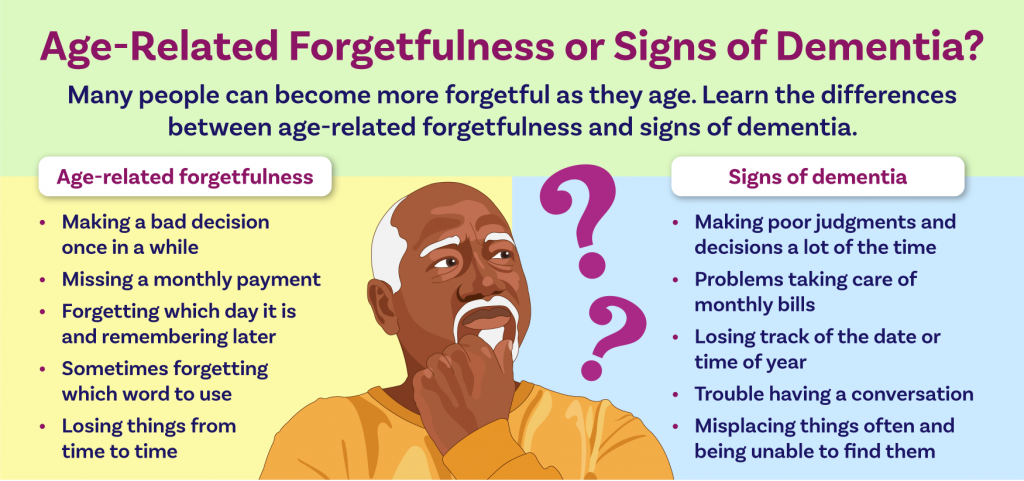
Brain Fog and COVID-19
Experiencing brain fog long after recovering from COVID-19 is common. As Aviv Clinics’ physician Dr. Mohammed Elamir, MD, FACP, explains, there is a link between where the COVID-19 virus attacks the brain and how that impacted location affects long COVID symptoms.
If you’ve had COVID-19 and haven’t felt the same since, reach out to a trusted physician.
Your physician may ask about:
- Your current physical activity levels
- Medications or supplements you’re taking
- Possible nutritional deficiencies
- Possible infections and inflammatory diseases/conditions
- A timeline of symptoms
- How symptoms have changed over time
Your doctor may also request a blood test, Electroencephalogram (EEG), CT scan, or advanced MRI.
What Can You Do to Fight Brain Fog?
When your head feels heavy and foggy, this may be a sign that your body isn’t operating at peak performance, much like when you get sick with a cold or flu. The brain needs constant oxygen, the right supply of nutrients, and rest to function well.
When we fall short in one area of health, it’s easy to spiral out of control. Looking at the list of causes for brain fog, the cycle becomes clear: lack of sleep can lead to stress, which can lead to poor diet, and so on.
Often, the key to managing brain fog lies in good self-care. To ensure general health and wellness, try to:
- Manage stress—Many people find yoga and meditation helpful in dealing with stress. Counseling can also help you find customized coping mechanisms and an opportunity to chat about concerns with a trusted mental health professional.
- Eat a variety of healthy foods—Maintain a diet rich in vitamins and nutrients. Intermittent fasting, an eating regimen that alternates between eating and fasting, can help optimize brain function and sharpen the mind.
- Nutritional supplements—Specific nutrients may help combat brain fog. For example, vitamin D may help some of those suffering from symptoms linked to brain fog, such as fatigue and depression. Review your dietary intake with a medical professional or dietitian; consider filling in any nutritional gaps with supplements.
- Get enough sleep—What qualifies as a “good night’s rest” varies from person to person, so figure out what is right for you and stick to it. Sleep helps the body “cleanse your brain of toxins and waste,” helping you achieve a healthy brain.
- Maintain physical activity—Exercise has proven benefits for the brain. Start with 30 minutes per session, three days per week. Sticking with a physical activity you genuinely enjoy can help you stay committed to a routine.
- Drink enough water every day—Some cases of brain fog are due to simple dehydration. While fluid needs vary, the general rule of thumb is “15.5 cups” for men and “11.5 cups” for women daily.
- Challenge the brain with games, puzzles, or novel experiences—Just as our body needs to exercise to remain strong, our brains need exercise to perform at optimal levels. As we age, the brain loses neurons, often making brain fog more frequent. Cognitive training via brain games can improve memory and reasoning.

Diagnosis and Potential Therapies
If your circumstances merit additional assistance, there are medical interventions and therapies to pursue. What you select depends on the root cause of your brain fog. So we encourage you to take the time to speak with a physician to diagnose your situation and discuss options.
Diagnosis – Your physician may carry out one or a combination of the following clinical assessments to diagnose your case:
- Cognitive function tests
- Blood tests
- Neurological exams
Potential Therapies – Your physician may suggest therapies such as:
- Hormonal replacement therapy: Brain fog due to hormonal imbalances may require hormonal treatments. This treatment intends to balance your hormonal levels due to conditions such as menopause and helps improve brain fog symptoms.
- Cognitive behavioral therapy and counseling: Psychotherapeutic approaches such as cognitive behavioral therapy (CBT) help individuals cope with brain fog symptoms and gain a healthier perspective. CBT may also work on strengthening your cognitive function through brain exercises.
- Herbal supplements and nootropics for cognitive enhancement: Herbal supplements may be recommended for nutritional gaps. Nootropics such as L-theanine are known to provide a “boost of mental clarity and enhance your ability to focus.”
- Acupuncture and traditional Chinese medicine: For some, acupuncture and traditional Chinese medicine can alleviate brain fog and memory and concentration issues by increasing blood circulation.
- Pharmacological treatments for underlying medical conditions: If an underlying medical condition is causing your brain fog, your medical provider may prescribe medication to target the root cause. Over time, depending on how effective the medication is, you may experience improvement in brain fog symptoms.
- Hyperbaric Oxygen Therapy: In a randomized, controlled scientific study, a specialized hyperbaric oxygen therapy protocol was found to improve “global cognitive function, attention and executive function,” including brain fog, in patients suffering from long COVID.
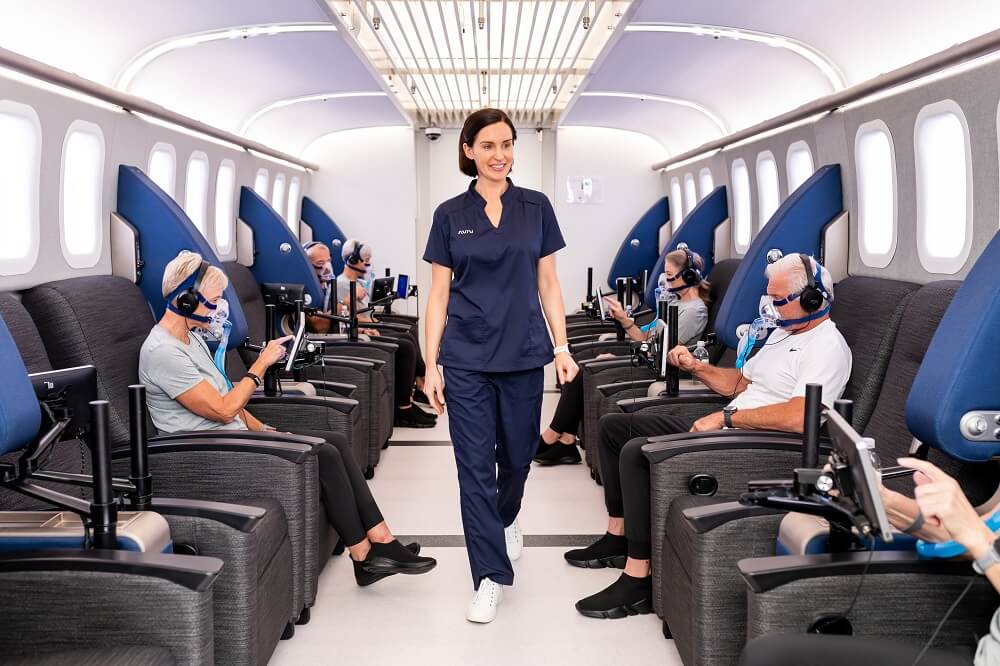
The Aviv Medical Program Can Include the World’s Most Advanced Hyperbaric Oxygen Therapy (HBOT)
Identifying a long-term solution that looks after your health and happiness is essential. One long-term solution that has restored hope for many of our clients is a unique medical program offered exclusively at Aviv Clinics in central Florida.
Our effective treatment plan for cognitive dysfunction, including brain fog, may involve the world’s most advanced hyperbaric oxygen therapy (HBOT) in combination with cognitive, nutritional, and physiological therapies. This allows our clinical team to provide a customized approach uniquely tailored to your needs.
Aviv Clinics’ evidence-based treatment protocol helps enhance brain performance and reduce brain fog for many conditions like aging, traumatic brain injuries, fibromyalgia, post-stroke, long Covid, Lyme disease, and mild cognitive impairment.
Based on nearly two decades of research and development, the Aviv Medical Program is customized to your needs. Aviv Clinics in central Florida is the only center in the United States to offer this state-of-the-art program. Clients who choose our clinic can benefit from a personalized and comprehensive treatment approach.
Carl & Vickie Eckert
“Our quality of life was not what it should have been.”
Having parents who endured their fair share of cognitive issues, Carl and Vickie Eckert were alert to experiencing cognitive decline themselves. They were beginning to lose confidence in tackling their daily activities and knew it was time to make a change.
Fortunately, they discovered Aviv Clinics’ program, and today, they are happy to report that they are active, healthy, and enjoying all that Florida retirement has to offer.
Defy Limitations: Achieve Optimal Cognitive Health with Aviv Clinics
For more guidance on managing brain fog and cognitive health, contact Aviv Clinics. Our diverse medical team will happily provide the personalized care you need to get back on track.
Last update: July 1, 2025
Could You Have a Traumatic Brain Injury and Not Know It?
Many older adults chalk up lapses in memory as a side effect of aging. But if you’re also experiencing headaches, trouble concentrating, and difficulty thinking clearly, then something more serious may be to blame: a traumatic brain injury.
Brain injuries are more common than most people realize, and left unchecked, they can wreak serious havoc in your life. Fortunately, the latest scientific advancements, such as a specific hyperbaric oxygen therapy (HBOT) protocol, show promise in helping treat traumatic brain injuries.
According to the Brain Injury Association, more than 2.8 million people sustain a traumatic brain injury (TBI) every year, and TBI-related deaths are highest among older adults. Since symptoms of a traumatic brain injury can sometimes take years to manifest, many people don’t even realize that they have one until problems show up later in life.
That’s right: a fall or car accident you had in the 1990s could be the cause of your headaches and brain fog today.
TBIs can cause a variety of cognitive problems and can even lead to permanent disabilities if left unchecked. You don’t even need to directly hit your head to obtain one, either. But the good news is that with proper detection, traumatic brain injuries can be treated, including at centers such as Aviv Clinics. Here’s more about TBIs and how to determine if you may have one.
What is a Traumatic Brain Injury and Why Are They Often Undiagnosed?
A traumatic brain injury (TBI) is exactly what it sounds like. It’s a form of brain injury that occurs when an external trauma is inflicted upon the brain. This trauma can impair your brain’s ability to communicate with the rest of your body, and the effects can differ depending on the part of your brain that was injured. Damage can range from mild to severe, and there is not always a loss of consciousness.
The most common form of a mild TBI is a concussion, which is caused by a violent shaking or rattling of the brain. Common causes for TBIs include:
- Sports injuries
- Falling off a bike or horse
- Military injuries or blast injuries
- Being assaulted or struck
- Being in a motor vehicle accident
- Falling and hitting your head
Any kind of scenario involving your brain hitting your skull can cause a TBI, such as whiplash from a car accident. Although the potential for sustaining damage is greater if you are knocked unconscious, you don’t have to lose consciousness to experience negative effects. Even mild brain injuries can cause chronic symptoms.
Common Symptoms of a Past Brain Injury
What are the symptoms of a traumatic brain injury? Just like the severity of a TBI can vary, so too can the severity of the symptoms you experience.
Signs of a concussion or mild TBI include:
- Headaches and dizziness
- Nausea and vomiting
- Changes in sleep patterns
- Confusion or memory loss
- Fatigue or lethargy
- Difficulty concentrating
- Difficulty making decisions
- Mood changes like depression or irritability
Although many people feel the effects of a brain injury immediately, symptoms can show up at any time, even years later.
This delay means that many people never make the connection between hitting their head and cognitive problems experienced later in life.
In some cases, a TBI may never be properly diagnosed because the person who sustained it never lost consciousness or never visited a doctor. These people may suffer needlessly because they never realize they sustained a TBI in the first place.
Chronic TBI symptoms can be devastating and can lead to sensory problems like blurred vision, ringing in the ears (tinnitus), or even difficulty understanding language and communicating properly (aphasia). And because TBIs and dementia can have similar symptoms, it’s important to know what you’re dealing with so that you can receive the proper treatment.
How to Detect a Brain Injury Even Years After it Happens
Brain injuries can cause two distinct types of damage: structural and metabolic. Structural damage is caused by physical damage to the brain, such as bruising or bleeding. Metabolic damage affects the way the brain cells themselves function.
A CT scan or MRI is the first step to detecting obvious structural damage in the brain. But there can be more subtle damage to your brain that these scans might miss, especially if your injury is years old. This is where more advanced techniques come into play.
Functional MRIs or SPECT scans can detect metabolic damage in the brain tissue. These scans can reveal improperly functioning brain cells even years after an injury. From there, your healthcare provider can move forward with treatment options.
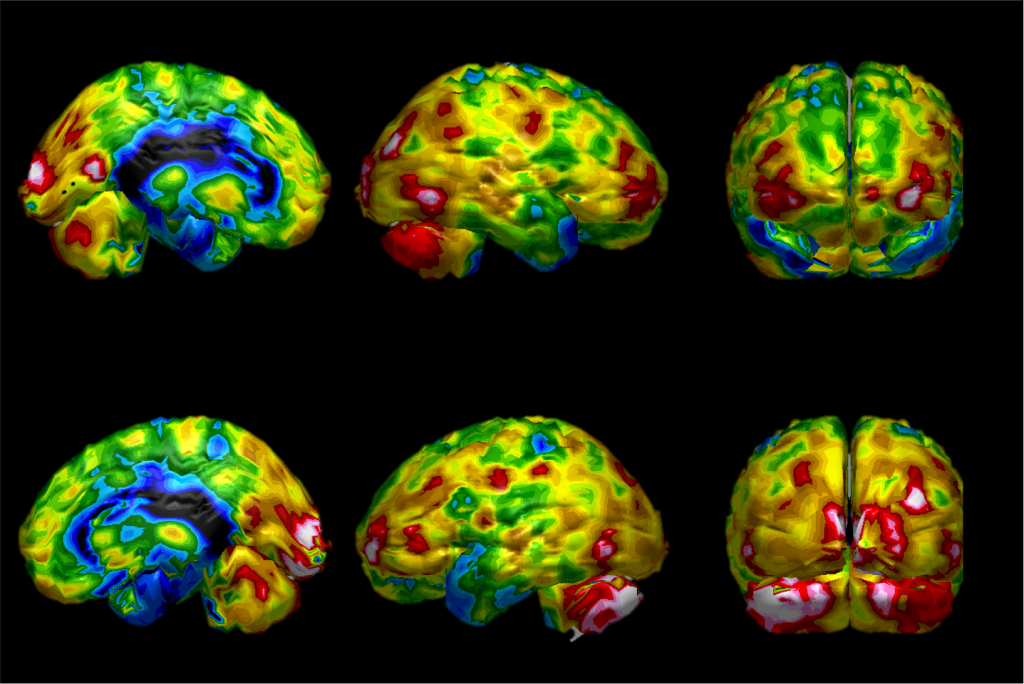
Treating Undiagnosed Brain Injuries in Older Adults
One of the most promising treatments for brain injuries involves a specific protocol of hyperbaric oxygen therapy (HBOT). During HBOT treatment, patients breathe oxygen-enriched air in a special high-pressure chamber. Evidence suggests that one specific hyperbaric protocol, researched and tested for years at the Sagol Center for Hyperbaric Medicine and Research, offers relief from the cognitive symptoms of a TBI. This protocol is available as part of a specialized Aviv Medical Program at Aviv Clinics in central Florida.
In peer-reviewed, published studies, this HBOT protocol has improved neuroplasticity and led to the improvement of chronic impairments in patients with mild TBIs. These improvements were observed even in patients who had sustained a brain injury years earlier.
The studies also indicate that the HBOT protocol induces angiogenesis in the brain. Angiogenesis is the process by which new blood vessels form from existing ones. These structural changes in the brain can produce improvements in thinking clarity, cognitive performance and overall quality of life.

Why There’s Hope Even if Your TBI Occurred Years Ago
While the name may sound scary, traumatic brain injuries are both detectable and treatable, even years after they occur. With proper care, you may see improvements in memory, cognitive function, and overall quality of life.
For more information about Aviv Clinics’ personalized program and unique hyperbaric oxygen therapy protocol, or to schedule an in-person consultation, contact us today.
Last update: June 25, 2025