

Crowdfunding for Medical Expenses: A Modern Approach to Support and Healing

Note: This content is for informational purposes only. Do not construe this information as legal, tax, investment, financial, or other advice.
If you or a loved one is facing a serious health challenge, you know how quickly the costs can add up. Many advanced or specialized treatments like the Aviv Medical Program aren’t covered by Medicare or private insurance plans. Beyond treatment, the costs of travel to a specialized clinic, temporary housing, and ongoing care can become overwhelming.
In recent years, an increasing number of people have turned to crowdfunding as a means to alleviate some of these financial burdens. Adults of all ages can now use online platforms to rally the support of friends, family, and even kind-hearted strangers. Crowdfunding has become a widely accepted option for medical fundraising and can bring both emotional and financial support during a difficult time.
Our clients who’ve turned to crowdfunding tell us it brought more than financial relief; it brought hope. By combining the power of community with cutting-edge care, your healing journey doesn’t have to be one you take alone.
If you’re unfamiliar with crowdfunding or are wondering whether it’s appropriate for your situation, you’re not alone. This guide will walk you through the basics of crowdfunding, introduce several trusted platforms, and help you decide whether it’s the right option for you or your loved one.
In This Article:
- What is Crowdfunding?
- Choosing the Right Crowdfunding Platform
- Is Crowdfunding Right for You?
- Tips for Building a Crowdfunding Campaign
What is Crowdfunding?
Crowdfunding allows you to raise money for a cause by sharing your story online and collecting donations from a large group of people. Crowdfunding campaigns are typically created on a secure website (more on those in a moment). In just a few steps, you can create a personal fundraising page that tells your story, explains your needs, and makes it easy for others to contribute to your care. You can even post updates to show your donors the progress you’re making.
Right now, people are using crowdfunding to pay for:
- Medical treatments not covered by insurance
- Transportation to specialized clinics
- Temporary housing during treatment
- At-home care or rehabilitation support
- Related travel and recovery expenses
It may feel uncomfortable to ask for help at first — that’s completely normal. But over the past decade, crowdfunding has been used by millions of people, nonprofits, schools, and businesses to raise funds.
But crowdfunding is more than just practical. It also invites your support network to stand beside you during a challenging time. And it can make all the difference when you’re trying to access the care you need to recover.
Choosing the Right Crowdfunding Platform
Creating a medical crowdfunding campaign is easy, with several reputable platforms available. Each one has different features, fee structures, and levels of support.
Here’s a look at the most widely used options for medical fundraising, with a look at some of their strengths and weaknesses.
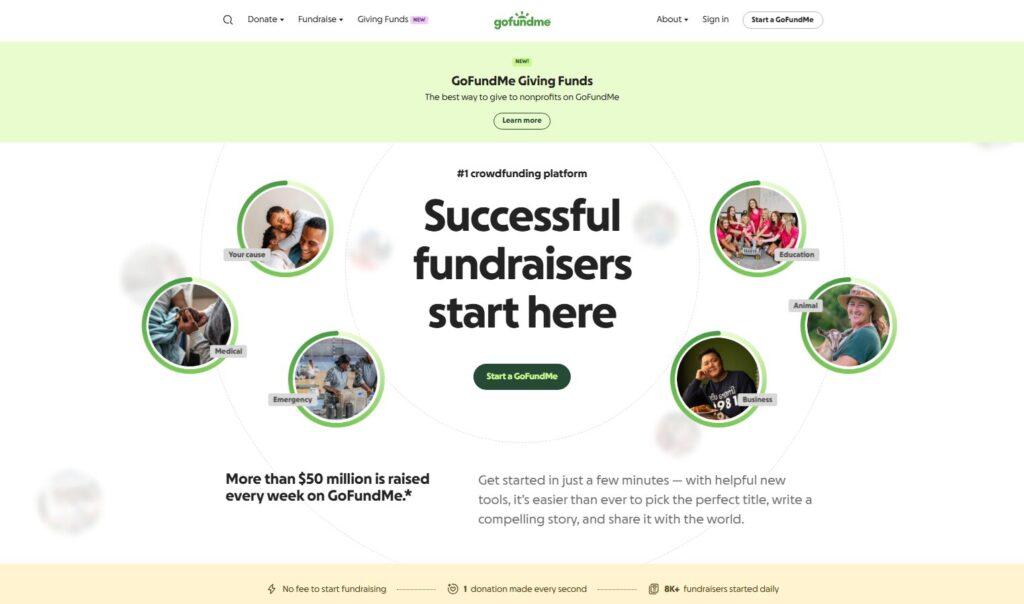
GoFundMe
GoFundMe is the most well-known crowdfunding platform on the internet. This makes it a great choice for reaching a wide group of supporters. It’s user-friendly, ideal for people who are new to crowdfunding, and especially popular for personal medical expenses
See how Chris Larsen’s family helped raise more than $27,000 for his treatment on GoFundMe.
Pros:
- Simple to set up and edit your page
- Widely trusted by donors with strong name recognition
- Strong visibility
- No platform fees (standard transaction fees apply)
- Automatic transfers to your bank account
- Helpful support articles and tools for first-time fundraisers
Cons:
- Your story competes with thousands of others on the platform
- Success depends on how widely you are able to share your own campaign
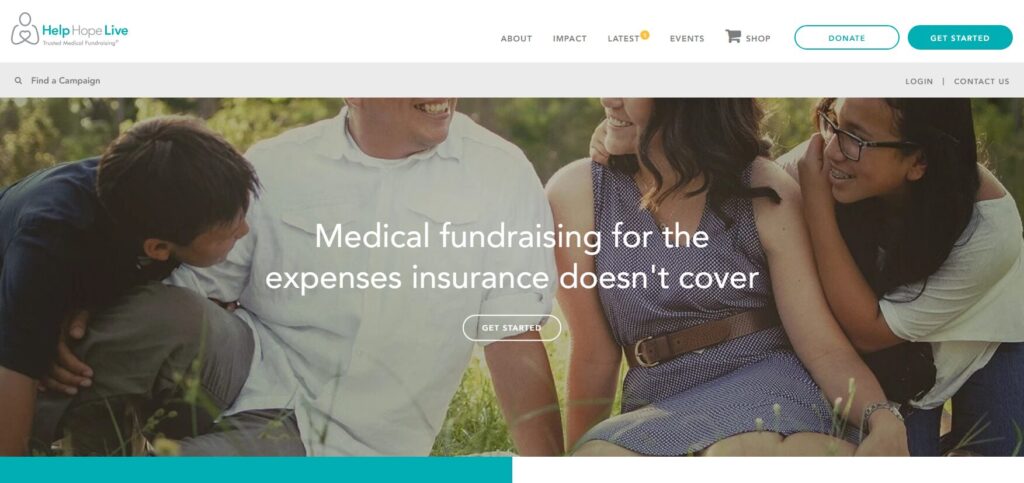
Help Hope Live
Help Hope Live is a platform specifically designed for medical fundraising. Rather than sending you the funds raised, Help Hope Live pays your providers directly. People often use Help Hope Live for ongoing needs like multi-month treatment programs, rehabilitation needs, or home modifications.
See how Aviv Litov’s family is helping raise funds for his treatment on Help Hope Live.
Pros:
- Because Help Hope Live is a nonprofit, donors may be able to write off their donations as tax-deductible
- Offers personalized support, including guidance on documentation
- Funds are paid directly to medical providers, so they don’t count as personal income
- Excellent reputation for donor confidence
Cons:
- Longer, more complex application and campaign setup process
- Requires documentation of medical needs and provider information
- Charges an administrative fee
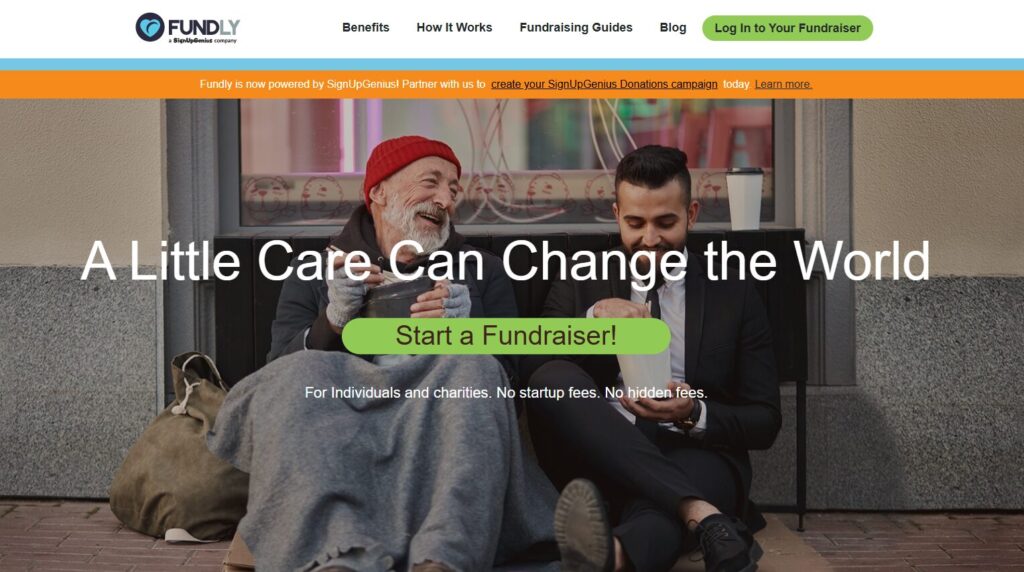
Fundly
Fundly is a platform focused on personal causes, including medical expenses, memorial funds, and community support. It has strong social media integration, making it good for people who plan to share their campaign online.
Pros:
- Simple and easy to navigate
- Easy sharing to Facebook and other platforms
- No minimum fundraising requirements to draw funds
- You can offer donor incentives or rewards
- Built-in tools for tracking donations and progress
- No platform fees (standard transaction fees apply)
Cons:
- Smaller donor reach than GoFundMe
- Negative user reviews
- Some users say that payment setup is complicated
Other Crowdfunding Platforms
Some fundraisers choose to use GiveSendGo, a crowdfunding platform with a faith-based mission. If you’re part of a faith community that regularly uses this platform, it may be a comfortable and familiar option for both you and your potential donors. However, it’s worth noting that GiveSendGo has attracted controversy in recent years, so it may not be the best fit for every fundraising goal.
Give A Hand and GoGetFunding are other options that may fit your needs.
No matter which platform you choose, make sure you understand what you’re getting into. Key considerations include:
- Features: Ease of use, social media sharing tools, and payment forms accepted
- Fees and charges: Platform fees, payment processing fees, and how and when you will be able to access your funds
- Security features: Payment security and fraud prevention features
- Reach and reputation: Platform brand recognition, success rates, and audience
Is Crowdfunding Right for You?
Crowdfunding isn’t the right fit for everyone, but it can be a lifeline for many. Tens of thousands of people have been able to access the care they need because of the generosity of others.
To decide if crowdfunding is the right fit for you, consider these questions:
- Do you or your loved one have a compelling story to share?
- Are you comfortable asking for help from friends, family, or the community?
- Do you have a clear medical need and cost estimate?
- Do you need help with additional treatment-related costs, like travel or housing?
- Are you or your loved ones active on social media?
- Would you be unable to access the treatment you need without assistance from others?
If your answer to several of the above questions is “yes,” crowdfunding may be a good fit for you.
Important Financial Considerations
If you rely on income-based government benefits like Medicaid or Supplemental Security Income, funds from your campaign can increase your income or assets above program limits.
Some funds received from a personal crowdfunding account are considered a personal gift. However, this is not always the case. Depending on IRS thresholds, the funds you raise may be considered taxable income. If you are considering crowdfunding for your medical expenses, we strongly advise consulting a tax professional.

Tips for Building a Crowdfunding Campaign
If you are considering creating a crowdfunding campaign for yourself or a loved one, some advance planning can make a big difference in the amount of support you receive.
Here are some simple, effective tips to help your fundraiser stand out and inspire generosity:
1. Choose a Clear, Heartfelt Title
Your campaign title is the first thing people see, so make it clear, concise, memorable, and personal. Make sure to include names and explain what the funds will support. Starting with an action word, like “help,” “support,” or “join” can inspire people to get involved. For example, “Help John Access Life-Changing Stroke Treatment” is more powerful than just “John’s Medical Fund.”
2. Tell Your Story With Heart
When you sit down to write your campaign description, focus on making readers feel connected to your journey. It’s not always easy to be vulnerable, but sharing honestly helps turn casual visitors into active supporters. Explain what you’re going through, how the funds will be used, and the difference they will make in your life. Talk about your hopes and goals that you hope treatment will help you achieve. Aim for at least 100 words, and keep the language warm and authentic.
3. Use Photos and Videos
Pictures bring your story to life. Choose a clear, high quality photo as your main image, and include more if possible. Photos of yourself with your loved ones can make your campaign feel more personal and relatable. Videos, even short ones shot on your smartphone, are also an effective way to show your journey or to offer updates during treatment.
4. Set Realistic Goals
A specific, realistic fundraising goal builds trust and makes people more likely to contribute. Think carefully about your financial needs, like treatment costs, travel, housing, or unpaid time off work. If you can, break down costs for your donors. For example, a $50 donation might cover transportation for a week, while $500 might fund full day of treatment. Many platforms let you suggest giving levels like these, which helps your donors see the immediate impact of their gift.
You can also use your fundraising goal to help supporters check in on your progress. To encourage repeat donations, let your supporters know when you’ve reached milestone: “We’re 75% to our goal. You can help us reach 100% by the end of the month!”
5. Post Regular Updates
Your supporters want to know how you’re doing, so share updates at least once a week, as well as at major milestones, like your first day of assessments or treatment. Post these updates on your fundraising page and on all of your social media channels. Updates show gratitude, keep people engaged, and may even encourage repeat donations. And of course, encourage your supporters to share your updates.
6. Keep Sharing
Word of mouth is the most popular way to spread your campaign, so don’t be shy about letting people know about it. Share your fundraiser through emails, texts, and social media, then ask your friends and family to share it too.
When you post, don’t just share the link. Instead, write a short, personal message that explains why the fundraiser matters. For example, “Ever since my concussion last year, I haven’t been able to even walk the dog without getting dizzy. My sister is raising money to help me get specialized treatment. Please consider donating $50 to help me get back to good health.”
7. Express Gratitude
Gratitude is powerful, and a simple “thank you” goes a long way. Thank your donors however it feels natural, whether it’s through a handwritten note, a text message, or an online acknowledgement. Thanking your donors makes them feel appreciated and may even inspire them to share your campaign with others.
Final Thoughts
If you need assistance to pay for your medical care or related expenses, crowdfunding is a tool worth considering. At Aviv Clinics, we understand that while our innovative medical programs offer life-changing benefits, they may not be within financial reach for everyone.
We hope this guide has helped you get a better understanding of what crowdfunding is, how it works, and if it might be right for your needs. Crowdfunding isn’t just about dollars and cents. It’s about community, support, and reclaiming control over your health journey.