


Increasing Your Healthy Lifespan: Strategies and Insights from Longevity Science
Heart attacks. Strokes. Osteoporosis. Hearing loss. Type 2 diabetes. Alzheimer’s disease. What do each of these have in common? The largest risk factor for these and many other diseases is aging. But while we cannot stop time, we can take steps to increase our healthy lifespan, enhancing both the number of years we live and the quality of those years.
Longer lifespans create opportunities to enrich our lives, support our families, and contribute meaningfully to our communities. Yet the quality of our additional years is substantially influenced by how we manage our health. Strategic lifestyle choices and cultivating healthy habits can help address the symptoms of aging, prevent or delay the onset of age-related diseases, and empower us to thrive well into our golden years.
In this article, we explore scientific insights and practical strategies to help you live not just longer, but better.

How Age-Related Diseases Affect Your Healthy Lifespan
The natural aging process brings about several physical and cognitive changes. However, it’s important to differentiate between the usual symptoms of aging and signs of age-related disease.
According to the World Health Organization, aging is “the impact of the accumulation of a wide variety of molecular and cellular damage over time.” Gradually, this damage makes us increasingly vulnerable to a range of diseases, including:
- Heart disease
- Diabetes
- Dementia
- Alzheimer’s
- Osteoarthritis
- Depression
- Stroke
These age-related diseases pose unique challenges. Recognizing even subtle changes in health can be vital in identifying potential issues before they escalate.

Breakthrough Insights in Healthy Aging and Longevity Science
In December, I had the pleasure of meeting with the Global Aging Consortium, a collection of some of the greatest minds in the science of healthy aging. Assembled by Aviv Clinics in The Villages, the Consortium members are focused on discovering how we can not only live longer, but also live better.
According to Global Aging Consortium member Dr. Eric Verdin, president and CEO of the Buck Institute for Research on Aging, the reality of “getting old” is very different from just a century ago. At that time, the average life expectancy at birth was less than 60. Age-related illnesses were very rare. It was more common for people to die of infectious diseases like influenza, tuberculosis, or pneumonia.
Since then, scientific advancements have eliminated many infectious diseases, allowing our average lifespan to climb by two decades. But living longer has created a series of age-related pathologies. Today, 95% of people over the age of 65 “have at least one chronic condition, and nearly 80%…have two or more.”
In other words, while our expected lifespan has lengthened, our healthspan, or the number of years we live a life free of serious illness or disability, has not kept pace. Typically, our health begins to significantly degrade around the age of 65 and continues to do so for the remainder of our lives.

Is Aging Treatable? New Perspectives on Healthy Aging
The medical community has never considered aging as a “disease.” However, evolving scientific perspectives have ignited a profound discussion on aging as a treatable condition. Once seen as an inevitable process of decline, researchers are now exploring interventions that could slow down or even reverse aspects of aging.
“We have a vision that it doesn’t have to be this way,” said Dr. Verdin, speaking to an audience of more than 200 Villagers at a December 2022 event.
One way to measure age-related change is by observing telomere length, a biomarker of aging at the cellular level, as well as senescent cells, which are dysfunctional or deteriorated cells that can contribute to health problems. When telomeres, the protective caps on the ends of our chromosomes, become too short, cells undergo the process of senescence, contributing to the likelihood of immune issues, cancer, and heart disease.
Researchers have turned their attention to these biomarkers of aging; studies show that the “rate of telomere shortening can be either increased or decreased by specific lifestyle factors.”

Healthy Lifespan Strategies: How to Live Longer and Healthier
Living longer and living better are not mutually exclusive. According to Dr. Verdin, most who live to 100 are relatively healthy until their mid-90s. Most people assume that genetics plays a significant role for these healthy few, but studies show that “well below 10%” of longevity is predetermined by genetic factors, as little as 7% by some estimations. In other words, said Dr. Verdin, “It’s how you live that determines how well you age.”
We can prolong our healthy lifespans by staving off age-related illnesses. Even if you have one of these conditions, it’s not too late. Making an investment in your healthy lifespan can slow the progression of many illnesses and the formation of new ones.
Actionable Steps for a Longer, Healthier Life
How do you invest in your healthspan? There are a number of simple steps we can take to improve the way we age, and they’ll all sound familiar to you:
- Healthy Eating—While what you eat is important, when you eat is equally influential. Evidence suggests that, regardless of the dietary ingredients, intermittent fasting can boost metabolism, lower blood pressure, reduce inflammation, and produce other “positive effects on risk factors for aging.”

- Exercise—Yes, physical activity can be challenging for those with mobility issues, arthritis, or heart conditions. But any level of physical activity can improve how we age. Even a 20– to 30–minute walk several times a week can prevent or manage conditions like heart disease, stroke, high blood pressure, and more.
- Sleep—Most of the American population is sleep–deprived. The vast majority of us need eight hours of sleep every night, but most of us only get about six hours nightly. Sleep deprivation is linked to many chronic health problems, like diabetes and heart disease, high blood pressure, a weakened immune system, mood changes, and an increased risk of early death.

- Social connections—Strong social ties are among the best predictors of a long, healthy life. Here in The Villages, we thrive on building interpersonal relationships, and we moved here because of our desire to connect with others. Studies show that as many as one-third of adults aged 50 and older are socially isolated. This isolation places their health at risk for conditions such as dementia, heart disease, stroke, anxiety, depression, and premature mortality.
- Stress management—When stress is left unchecked, it can prevent us from spending time with loved ones, eating well, and even sleeping. Whether it’s exercise, prayer, meditation, or medical and psychological intervention, managing stress appropriately is important for healthspan and longevity.
HBOT as a Healthy Aging Strategy: A New Approach to Supporting Longevity
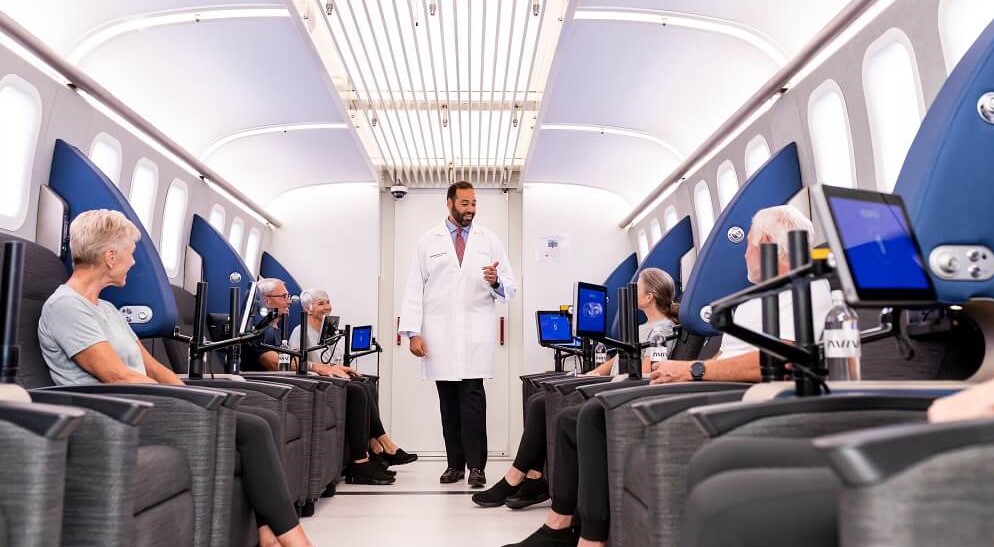
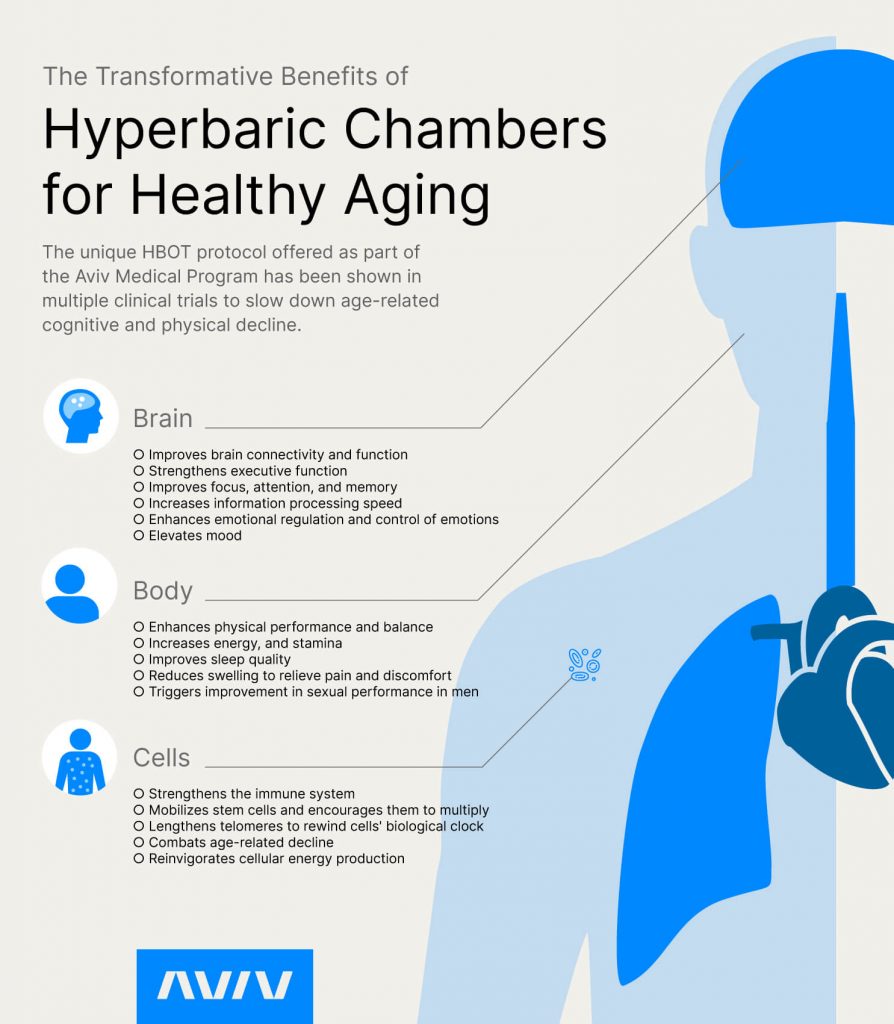
As research continues to delve into innovative therapies and strategies for healthy aging, hyperbaric oxygen therapy (HBOT) has emerged as a revolutionary approach to enhancing brain and body performance as we age.
Many factors contribute to aging, including oxidative stress, which “takes part in the development of aging and many degenerative and chronic disorders.” Essentially, oxidative stress is a kind of wear and tear on the body’s cells. HBOT works by targeting this damage at the cellular level.
How HBOT Supports a Healthier Lifespan by Targeting Aging Biomarkers
With age, our bodies become less adept at oxygen transport, resulting in a gradual reduction in both mental and physical capabilities.
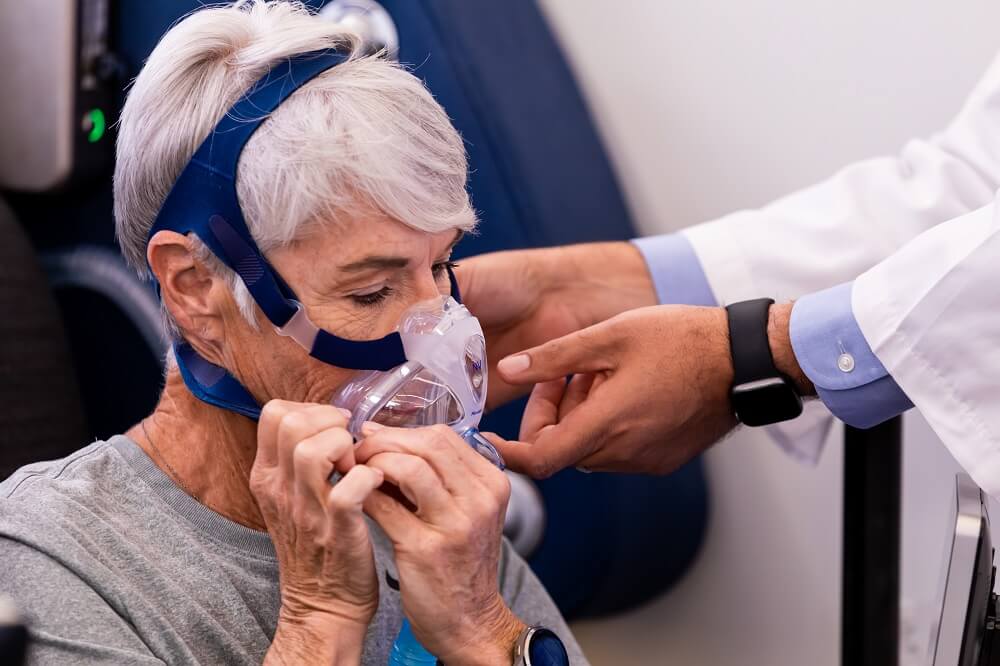
HBOT involves breathing pure oxygen in a pressurized chamber, effectively increasing the amount of oxygen delivered to cells and tissues throughout the body.
This increase in oxygen delivery triggers the body’s natural healing mechanisms, which can function as a powerful intervention to address physical and cognitive decline.
Specifically, research has discovered that HBOT can help older adults stay healthier as they age by slowing down some of the processes associated with getting older. This research shows repeated HBOT sessions, using a specialized protocol, may increase “telomere length and clearance of senescent cells in the aging populations.”
Aviv Clinics utilizes these findings as a foundation for the innovative, personalized Aviv Medical Program, working to help aging adults lead healthy, fulfilling lives and increase their healthspan.
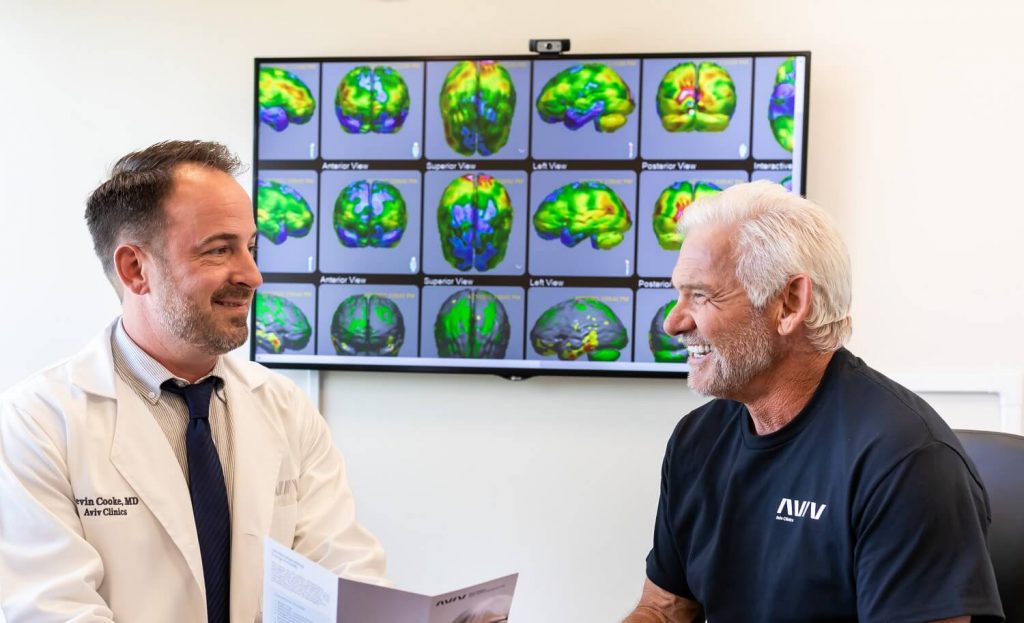
A Personalized Path to Aging Well: The Aviv Medical Program
At Aviv Clinics, we consider aging to be a treatable condition—not a sign of inevitable decline.
The state-of-the-art Aviv Medical Program is helping reshape aging through medically proven therapies that effectively reverse the effects of biological aging. The program effectively transforms the way we experience aging, providing the tools needed to invest in a longer, healthier life. Based on your goals, needs, and conditions, these tools can include:
- Cognitive training
- Physical training
- Nutritional coaching
- The same unique Hyperbaric oxygen therapy (HBOT) protocol
Take Charge of Your Aging Journey: Invest in a Longer, Healthier Life Today
Many of us hope to add years to our lives. Adding life to our years, however, may be even more valuable. At Aviv Clinics, we treat aging as a condition that can be managed and potentially even reversed on the cellular level.
Our personalized Aviv Medical Program can combine a number of therapies, including our evidence-based HBOT protocol, cognitive exercises, physical training, and nutritional guidance. These tools can help you maintain vitality, energy, and independence.
Whether you’re seeking to slow age-related decline or recover from an age-related condition, our multidisciplinary team provides the tools, support, and science-based strategies to help you.
Contact Aviv Clinics for a free consultation with a board-certified physician, and discover how we can aid you in adding more life to your years.
Last Update: December 1, 2025
Alzheimer’s & Dementia
pTau Testing for Alzheimer’s Risk: What It Is, Why It Matters, and How Aviv Clinics Can Help
 by Mohammed Elamir, MD, FACP , Physician
Nutrition
Nutrition for Longevity: Key Strategies to Support a Longer, Healthier Life
 by Kevin Cooke, MD , Physician
 Wellness
How to Increase Blood Oxygen Level: 21 Tips for Better Oxygenation
by Dr. Mohammed Elamir, MD, FACP , Physician 
The Aviv Medical Program: backed by nearly two decades of research
Pioneered by Dr. Shai Efrati, the Aviv Medical Program provides you with a unique opportunity to maximize your cognition and quality of life.