

Track Your Health at the Cellular Level: Biomarker Testing for Healthy Aging
Track Your Health at the Cellular Level: Biomarker Testing for Healthy Aging
Legendary film star Maurice Chevalier once stated, “Growing old isn’t so bad when you consider the alternative.” While aging is a natural part of life, how well we age can differ significantly from person to person. Many older adults start to notice subtle shifts in their 50s and 60s: minor memory lapses, lower energy levels, or slower recovery from illness and injury. For people concerned about these changes, understanding your healthy aging biomarkers can offer valuable insights into how your body is aging beneath the surface.
These small changes in memory, energy, and overall function reflect the signals your cells send about their health and resilience. Blood biomarker testing helps you and your health care provider read these cellular signals, gauge how your body and brain are aging, and make informed choices to support your long-term well-being.
At Aviv Clinics, we offer advanced blood-based biomarker testing as part of a proactive approach to healthy aging. Our four-panel biomarker measurement evaluates key biological processes associated with aging. These tests offer insight into the biological processes that influence energy, cognition, and recovery.
In this article:
What are Healthy Aging Biomarkers and Why Do They Matter?
A biomarker is a measurable signal from your body that indicates how well it is functioning. Most of us are familiar with common biomarkers like blood pressure, lipid panels for cholesterol, or white blood cell counts. These biomarkers act like a biological report card that tells us how well our organs, tissues, and cells are functioning.
In the context of healthy aging, biomarkers can reveal early signs of stress, inflammation, or reduced capacity for healing, often before symptoms appear. By tracking these signals, you can gain insight into your cellular health, helping you make informed choices to support your long-term well-being.
Some common healthy aging biomarkers include:
- Inflammation biomarkers
- Mitochondrial function biomarkers
- Stem cell and regenerative biomarkers
- Oxidative stress biomarkers

Inflammation Biomarkers
You may have heard the term “inflammaging” in the past. It refers to chronic, low-level inflammation linked to aging and age-related diseases. Blood tests can detect subtle elevations in inflammatory proteins that are common indicators of cardiovascular issues, diabetes, and cognitive decline. Monitoring these markers can provide early warning and a chance to intervene before more health concerns become more serious.
Mitochondrial Function Biomarkers
Think back to middle school biology class, and you may recall that mitochondria are known as the “powerhouses” of our cells. They convert nutrients from food and oxygen into the energy our bodies and brains need to function. When mitochondrial function declines, it can result in fatigue, slower recovery from injury or illness, and even cognitive challenges. Biomarkers that track mitochondrial activity can show how efficiently your cells produce energy.
Stem Cell and Regenerative Biomarkers
Stem cells are a unique type of “blank” cell produced in your body. They have the ability to develop into different types of cells, acting as our body’s natural repair system. Stem cells can replace worn-out cells, maintain organ health, and support tissue regeneration. As we age, our stem cell production declines, reducing our body’s ability to repair and recover. Measuring stem cell biomarkers like Oct4 and CD34+ cells can provide insight into your body’s regenerative potential and overall resilience.
Oxidative Stress Biomarkers
Our bodies naturally contain harmful molecules called free radicals, as well as natural defenses against them called antioxidants. Oxidative stress occurs when free radicals overwhelm your natural defenses. Excessive oxidative stress can damage cells, proteins, and even our DNA, contributing to age-related conditions. Blood tests that measure oxidative stress biomarkers can identify early imbalances before they become more serious health problems.
Together, these biomarkers can reveal changes long before symptoms appear. Tracking these signals over time can also show you how lifestyle changes or interventions like hyperbaric oxygen therapy are impacting your healthy aging journey.
Tracking Your Biomarkers Over Time: The Value of Pre- and Post-Treatment Testing

Measuring your healthy aging biomarkers provides a snapshot of how your body and brain are currently functioning. But the true value comes from tracking these measurements over time. Just as lifestyle changes like a new diet or exercise routine can affect blood pressure or glucose numbers, medically-guided interventions can influence healthy aging biomarkers like oxidative stress, stem cells, inflammation, and mitochondrial function.
Why Biomarker Tracking Matters
Pre- and post-treatment testing allows you and your health care provider to measure how your body responds to interventions. Baseline testing offers a clear picture of your biomarker levels before any program begins. Follow-up testing allows you to compare results and measure improvements over time.
At Aviv Clinics, we can track inflammation, mitochondrial function, stem cell activity and oxidative stress before and after treatment with the Aviv Medical Program. This testing can reveal measurable improvements that might not be immediately noticeable. While you might notice an increase in energy or your ability to remember phone numbers, biomarker testing can quantify these improvements and provide concrete evidence of progress.
Tracking biomarkers over time can also provide personalized insights. Not every treatment works the same for every person. Your personal results can guide adjustments and help shape a plan for ongoing progress tailored specifically to your needs and goals.
In short, pre- and post-treatment testing can turn abstract concepts like oxidative stress into actionable data. It allows you to measure your body’s response to interventions and helps you make informed decisions to take control of your healthy aging journey.
What to Expect from Biomarker Testing at Aviv Clinics
At Aviv Clinics, advanced biomarker testing is designed to be simple.
- Test Preparation: For the most consistent results, we recommend fasting for 8-12 hour before the blood draw, although fasting is not strictly required. A pre-test fast is particularly helpful for people who plan to repeat the test in the future, as it allows results to be compared under similar conditions. Because biotin (vitamin B7) can interfere with results, please avoid biotin supplements for at least three days before your blood draw. If you take a daily multivitamin or consume protein shakes and nutritional drinks, check to see if they contain biotin.
- Blood Draw: Your routine blood draw is conducted at our clinic in central Florida. Our four-panel biomarker measurement can be conducted on a drop-in basis, although appointments are recommended for a more efficient experience.
- Post-Test Care: Your bandage should remain on for a few hours after the draw. Eating a small meal or snack after your blood draw is recommended to prevent dizziness, and hydration is particularly important for the next day. Avoid heavy lifting or strenuous exercise for 24 hours.
- Analysis: Laboratory analysis of your blood sample will take approximately 10 days.
- Results: Once your results are ready, you will meet with a member of the Aviv medical team, either in-person or virtually, to review your biomarker profile in detail. Your physician will explain your results, discuss any areas of concern, and help you understand interventions that may benefit your brain and body health.
Who Should Consider Testing for Healthy Aging Biomarkers?

Biomarker testing isn’t just for people with serious medical conditions or elite athletes. It can be valuable for any adult who wants a clearer understanding of their body and brain function.
You may consider biomarker testing if you:
- Have noticed changes in memory, focus, or mental clarity
- Feel like your energy levels are waning
- Take longer to recover from exercise, illness, or injury
- Have a history of neurological conditions including stroke, concussion, or TBI
- Are considering lifestyle or medical interventions for healthy aging
While living longer was once the primary goal of aging, most older adults are more concerned about maintaining independence, cognitive sharpness and physical resilience for as long as possible. Healthy aging biomarkers can provide objective insights into inflammation, mitochondrial health, oxidative stress, and regenerative capacity. Biomarker testing results can help identify areas where intervention may be beneficial for improving healthspan.
Biomarker testing offers an opportunity to take a proactive approach to healthy aging. By understanding how your body functions at the cellular level, you and your health care provider can design a personalized strategy to preserve function, support brain health, and optimize quality of life. This type of advanced biomarker testing is becoming an increasingly important tool in preventive medicine and longevity-focused care.
How Much Does Aviv’s Four-Panel Biomarker Measurement Cost?
Aviv Clinics’ four-panel biomarker assessment is available either as a single test or as a series of tests. For those beginning a lifestyle or medical intervention, a series of tests can help track progress. This approach allows you to measure biomarker levels before, during, and after treatment and monitor biological changes over time.
Testing options include:
- Single four-panel measurement: $800
- Series of four: $3,000
Are Healthy Aging Biomarker Tests Covered by Insurance?
Most insurance plans do not currently cover these advanced biomarker tests. However, patients may be able to apply Health Savings Account (HSA) or Flexible Spending Account (FSA) funds to cover the cost of testing. Your HSA/FSA plan administrator may be able to assist in determining qualifying expense.
Depending on individual circumstances, biomarker testing may also qualify as a tax-deductible medical expense. Patients should consult their tax advisor for specific guidane.
Take the Next Step in Understanding Your Body and Brain
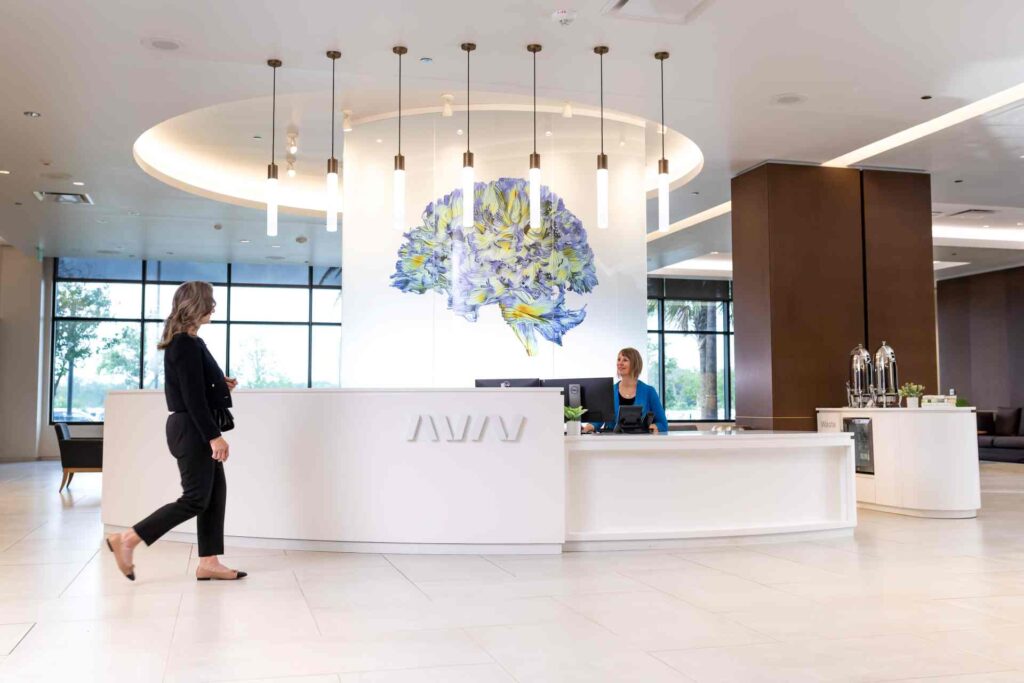
If you’re curious about how well your body and brain are aging, healthy aging biomarker testing is available at Aviv Clinics at the Center for Advanced Healthcare at Brownwood.
Testing at Aviv Clinics is available:
- As a standalone snapshot of current cellular health
- As part of a comprehensive brain and body assessment
- As pre- and post-treatment testing before and after the Aviv Medical Program
As a singular service, Aviv Clinics’ four-panel biomarker measurement offers a focused evaluation of inflammation, mitochondrial function, stem cell activity and oxidative stress. This option is best for people who simply want objective data about their cellular health.
Biomarker testing is also available as part of Aviv’s comprehensive assessment of brain and body health. The Aviv Assessment may include cognitive testing, physical performance evaluations, body composition measurement, and detailed imaging studies. This broader approach allows us to connect your findings with real-world functions like memory, balance, and endurance.
For those considering the Aviv Medical Program as a therapeutic intervention, biomarker testing can be performed before and after treatment. This allows us to objectively measure how your body responds to the program. Pre- and post-treatment testing provides measurable data on changes and offers insight that extends beyond just how you feel.
Schedule an Aging Biomarker Consultation
Whether you are seeking clarity, recovery, or simply a healthier path to old age, understanding your biomarkers can help guide informed decisions and support a more proactive approach to long-term brain and body health.
To learn more about biomarker testing at Aviv Clinics, our team is available to schedule a complimentary consultation. Click the button below to complete our contact form or call 352-492-6634 to speak with a client ambassador and discuss your options.
Summary: Tracking Your Biological Age With Aviv Clinics Biomarker Testing
- Aviv Clinics’ healthy aging biomarker testing provides a four-panel measurement of inflammation, mitochondrial function, stem cell activity, and oxidative stress.
- Measuring these cellular signals can help patients and their physicians understand age-related changes, monitor improvements over time, and assess how medical treatments and lifestyle interventions impact brain and body health.
- The four-panel biomarker measurement involves a routine blood draw at Aviv’s clinic in central Florida. Appointments are not required but are recommended.
- Healthy aging biomarker testing at Aviv is available as a standalone service, part of a comprehensive assessment, or as a series of tests to provide personalized insights and guide healthy aging strategies.
Understanding Amyloid Beta Testing for Alzheimer’s Risk Assessment
For many aging adults, concern about Alzheimer’s disease starts quietly. It might start with small memory lapses or the news that a relative has been diagnosed. Today, simple lab tests may be able to shed light on the potential for developing Alzheimer’s. Amyloid beta testing is a blood test that measures levels of the amyloid beta 42 and 40 proteins. These levels can provide insight into early biological changes associated with Alzheimer’s disease, before cognitive challenges become more serious.
Scientists now know that the biological changes associated with Alzheimer’s disease can begin decades before symptoms become noticeable. One of the earliest changes involves amyloid beta (Aß), a naturally occurring protein in the brain. Abnormal levels of these proteins can contribute to plaque buildup in the brain that disrupts cognitive function over time.
Although amyloid beta testing does not definitively diagnose Alzheimer’s disease, it can play an important role in risk assessment, baseline evaluation, and long-term monitoring. At Aviv Clinics, amyloid beta testing can be included as part of an advanced biomarker assessment designed to help older adults better understand their Alzheimer’s risk and make informed decisions about their long-term brain health.
What is Amyloid Beta and Why is it Important to Brain Health?
Amyloid beta is a protein that is naturally produced in the brain. We all have this protein that plays a normal role in cell function. Healthy brains clear amyloid beta efficiently, so it doesn’t accumulate.
Over time, though, these proteins can start to behave differently. They may start to accumulate and stick together to form amyloid plaques. These plaques can interfere with our brain cells’ ability to communicate with each other, and over time contribute to cognitive dysfunction.
These changes can begin long before noticeable memory problems or other symptoms appear. That’s why amyloid beta is considered one of the earliest Alzheimer’s biomarkers. Measuring amyloid beta offers a window into potential Alzheimer’s risk and for establishing a baseline to track changes long term.
What is the Amyloid Beta 42/40 Ratio?
Amyloid beta comes in several forms, but the two we’re most concerned about are Aß42 and Aß40. Both are naturally occurring proteins, but behave slightly differently in the brain:
- Aß42 is more susceptible to forming the amyloid plaques that are linked to Alzheimer’s disease.
- Aß40 is less likely to stick together, despite the fact that our bodies produce larger amounts of it.
The amyloid beta test that we perform at Aviv Clinics compares the levels of these two proteins to produce the amyloid beta 42/40 ratio. By measuring the levels of Aß42 and 40 and calculating their ratio, clinicians can gain insight into whether amyloid biology may be shifting.
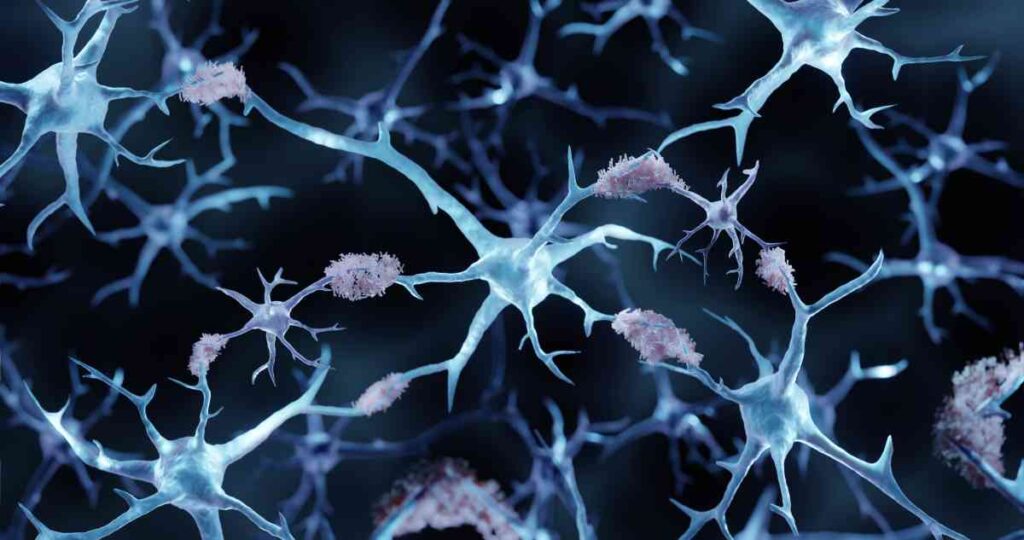
Like other blood tests, the amyloid beta 42/40 ratio produces a specific, measurable result that can be compared to a reference range. Just as a blood test can tell you if your white blood cell count is too low or too high, the Aß42/40 test can indicate whether you have a low-risk or high-risk amyloid beta ratio.
It is important to note that an amyloid beta blood test cannot diagnose Alzheimer’s disease by itself. It should be used in combination with other evidence, the patient’s clinical history, and their symptoms. That said, for people with cognitive impairment, a low-risk result is consistent with a low likelihood of a positive amyloid PET scan.
How Amyloid Beta Levels May Change Over Time
Because amyloid beta levels aren’t static, they can shift gradually over the years because of the aging process and changes in brain biology. Normally, the brain can clear amyloid beta proteins, preventing them from accumulating. As we age, however, this clearance system can become less efficient.
At the same time, certain forms of amyloid beta, like Aß42, are more prone to clumping together. Other factors can also influence how amyloid beta behaves in the brain. These include:
- Genetics
- Inflammation
- Vascular health
- Metabolic disorders like diabetes
- Brain Injuries like concussions or TBIs
- Hormonal changes
- Stress
- Diet
- Physical activity
All of these factors can alter the balance between Aß42 and Aß40, or the Aß42/40 ratio.
Monitoring changes in amyloid beta levels over time can provide valuable context that a single test can’t reveal. For example, a stable Aß42/40 ratio over several years can be reassuring. But subtle shifts in the ratio may show changes in amyloid biology that should be watched more closely. Tracking the ratio over time allows providers to detect patterns early and tailor brain health strategies to the individual patient.
Tracking these changes also makes it easier to evaluate the effectiveness of lifestyle interventions or strategies such as the Aviv Medical Program. In this way, Aß42/40 testing can be a tool for ongoing monitoring and long-term planning.
Amyloid Beta and pTau Testing: Providing a More Complete Picture of Alzheimer’s Risk
Aviv Clinics offers amyloid beta testing alongside testing for phosphorylated tau (pTau). While both types of proteins can be found in the brain, the two tests reflect different stages of Alzheimer’s biology.
- Changes in amyloid beta ratio can signal subtle plaque-related activity.
- Elevated pTau levels often reflect stress or injury to neurons.
Measuring both biomarkers provides a more complete picture than either test alone. Studies show that combining amyloid beta and pTau testing improves the accuracy of assessing Alzheimer’s risk. This helps our medical team better understand the biology occurring in a client’s brain and support more personalized treatment interventions.

Who Should Consider Amyloid Beta Testing?
Although Aß42/40 testing cannot provide a diagnosis of Alzheimer’s disease, testing can be especially informative for adults over 50 who seek a clearer picture of their cognitive health.
This may include patients who:
- Have a family history of Alzheimer’s or other forms of dementia
- Are noticing subtle memory lapses or changes in focus
- Are interested in establishing a baseline measurement for long-term brain health
- Want to track changes and guide personalized brain health strategies
Does Insurance Cover Amyloid Beta Blood Tests?
While some amyloid beta tests, including PET scans, may be covered by private insurance, blood-based testing for Alzheimer’s risk are typically an out-of-pocket medical expense. For those with a health savings account (HSA) or flexible spending account (FSA), the cost of testing may be covered if deemed a medically necessary expense and ordered by a physician. Please contact your plan administrator for more information.
How Much Does Amyloid Beta Testing Cost?
Aviv Clinics offers a dual pTau-217 and Aß42/40 for $600 on a walk-in basis. This cost includes an appointment with a physician to discuss and interpret your results, unlike testing conducted at clinical laboratory services.
Aß42/40 and pTau-217 testing may qualify as a tax-deductible expense in the United States. For more information about deductible medical expenses, please contact your tax advisor.
What to Expect from Amyloid Beta Testing
Aß42/40 and pTau testing at Aviv Clinics can be performed on a walk-in basis, with no appointment required. Our clinic at the Center for Advanced Healthcare at Brownwood in The Villages is open from 8 a.m. until 4:30 p.m. on weekdays.
Because the test is performed using a blood draw, the testing process is simple.
- Before the Test: Like many blood tests, you should not take biotin (vitamin B7) supplements for at least three days prior to your blood draw. Many multivitamins, protein shakes and nutritional drinks also contain biotin and should be avoided prior to testing. Although pre-test fasting is not required, biotin is abundant in many foods and may impact test results if you do not fast prior to testing.
- Blood draw: One of our nurses or physicians will take a simple blood sample during your visit to Aviv Clinics. Your sample will be sent to a certified laboratory for testing.
- Results: It takes approximately 10 days to receive your test results. Once your results are in hand, one of our physicians will review your results with you at our clinic (virtual appointments are available if necessary).
Are you interested in amyloid beta and pTau testing as part of a broader evaluation of your cognitive health? Contact our team for details.
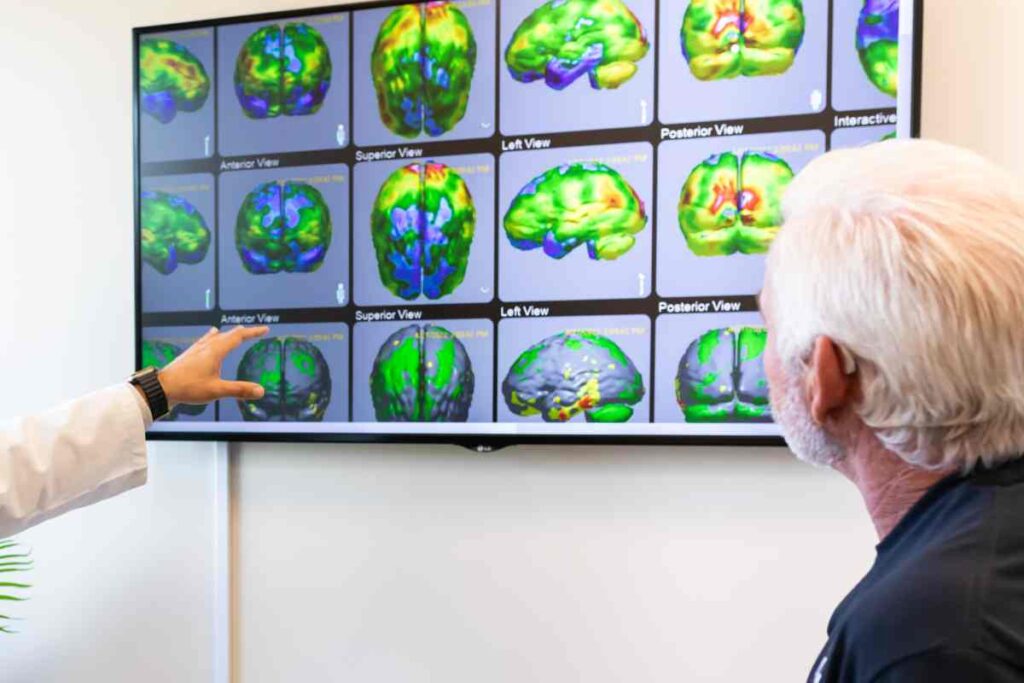
How Aviv Clinics Uses Amyloid Beta and pTau Testing to Support Brain Health
Aviv Clinics offers Aß42/40 testing, in combination with pTau testing, so patients can gain valuable insight into their brain health. This approach allows each person to explore early biological changes at their own pace. These tests can also be incorporated into a more comprehensive assessment of both brain and body health.
Testing is also an important part of Aviv Clinics’ comprehensive approach to overall function and healthy aging. These biomarker tests can be included in a full clinical assessment to help older adults identify early biological changes that may be relevant to cognitive function.
Our multidisciplinary team of physicians, neuropsychologists, physiologists, and nutritionists uses the data from these assessments to tailor personalized treatment programs. The Aviv Medical Program may include lifestyle strategies, cognitive training, physical activity, nutrition support, and interventions like hyperbaric oxygen therapy to support brain and body performance.
While no test can predict the future, integrating amyloid beta and pTau assessments helps our clinicians understand each client’s unique biology.
Taking the Next Step in Understanding Your Brain Health
Early insight can make a difference in planning for your long-term health. Amyloid beta testing, either alone or combined with pTau, provides a window into the biological changes that can occur in the brain before noticeable symptoms arise.
At Aviv Clinics, these tests are part of a broader approach to understanding and supporting brain health. Whether you’re interested in a single test or a comprehensive assessment, our team can help interpret your results, establish a baseline, and guide personalized strategies to support your cognitive well-being.
Call Aviv Clinics at 352-492-6634 or use our contact form to reach out with your questions. If you’re ready for testing, visit our clinic in The Villages between 8:00 AM and 4:00 PM, Monday through Friday for your walk-in blood test.
New Fibromyalgia Case Study Highlights HBOT as Non-Drug Treatment Option
For millions of people living with fibromyalgia, the chronic symptoms of this condition can be debilitating. Many patients find little relief from traditional fibromyalgia therapies. However, new research is offering promise. A recently published fibromyalgia clinical case study, published in Journal of Medical Case Reports, demonstrates the potential of hyperbaric oxygen therapy (HBOT) as a non-drug approach for treating fibromyalgia. The research team included Dr. Shai Efrati, chairman of the Aviv Scientific Medical Advisory Board, alongside scientists from the Brain & Performance Centre in Dubai, UAE.
Fibromyalgia syndrome (FMS) is a chronic condition affecting approximately 4 million adults in the United States, primarily women. Fibromyalgia is typically characterized by widespread pain, muscle stiffness, fatigue, and cognitive difficulties, among other symptoms.
Because no therapy has demonstrated universal effectiveness in “curing” FMS, available treatments focus primarily on managing symptoms. The recent fibromyalgia case study provides a detailed look at how hyperbaric oxygen therapy (HBOT) can deliver measurable improvements for patients with persistent, treatment-resistant symptoms. More specifically, it examines how a medical program that includes hyperbaric oxygen therapy can be used to treat fibromyalgia cases related to childhood trauma.
At Aviv Clinics, we’ve seen firsthand how hyperbaric oxygen therapy can help patients seeking non-drug fibromyalgia treatment options. This new fibromyalgia case study offers hope for those frustrated with standard care for FMS.
How Trauma May Influence Fibromyalgia Symptoms
While fibromyalgia’s symptoms are well-known, its causes and risk factors are less widely recognized. Research increasingly shows that childhood emotional trauma can be a significant risk factor for developing fibromyalgia in adulthood. Trauma “creates a sequence of neurobiological responses that can affect brain structures, [and] change neurological synapses.” These change the way our nervous system communicates, and ultimately may be the source of skewed pain signals and other symptoms.
In other words, emotional trauma can sensitize the nervous system, amplifying pain perception. Trauma-related stress can exacerbate fatigue, cognitive dysfunction (“brain fog”) and sleep disturbances.
Recognizing trauma-related risks is essential to tailoring effective, patient-specific treatments.
Research findings indicate that adults with a history of childhood trauma are more likely to develop fibromyalgia than those without a history of trauma or abuse. One large-scale study found that childhood abuse was associated with more than a two-fold risk of developing fibromyalgia as an adult. A separate study found that over 88% of fibromyalgia patients had experienced childhood trauma.
Understanding these connections allows clinicians to develop therapies that address both physical and emotional contributors to fibromyalgia symptoms.

Fibromyalgia Clinical Case Study
The recently published fibromyalgia case study follows the journey of a 62-year-old female with FMS. Despite 13 years of various treatments, she continued to deal with debilitating fibromyalgia symptoms, including:
- Widespread chronic pain
- Extreme sensitivity
- Fatigue
- Sleep disturbances
- Anxiety
- Cognitive difficulties
These challenges severely limited her daily activities. Her personal history revealed childhood trauma and emotional suppression.
For the past five years, she had been taking duloxetine (Cymbalta) and pregabalin (Lyrica), a combination of prescriptions commonly used to treat fibromyalgia pain. However, pharmacological interventions had provided little relief.
Investigating Hyperbaric Oxygen Therapy as a Non-Drug Treatment for Fibromyalgia
Seeking a new approach, the patient began a specialized protocol of hyperbaric oxygen therapy, with five sessions per week for twelve weeks. The protocol, which included oxygen fluctuations, was the same as the unique protocol offered at Aviv Clinics.
Prior to treatment, the patient was thoroughly assessed to establish a baseline. This evaluation included:
- Statistically validated fibromyalgia questionnaires
- Physical therapy evaluation
- Computerized neurocognitive evaluation
- Novel high-resolution brain imaging using both MRI-DTI and SPECT
Following the treatment, the patient repeated the initial assessments, and the results were compared to her baseline evaluations.
Results From the Fibromyalgia Clinical Case Study
The study concluded that HBOT contributed to meaningful improvements across multiple domains. Specifically, the case study identified the following measurable improvements in fibromyalgia symptoms:
- Reduced pain and fatigue (27% improvement)
- Improved gait, strength, and balance (up to 40%)
- Reduced dependence on medications (discontinued one medication entirely, reduced dosage of another by 50%)
- Fewer sleep disturbances
- Enhanced daily functioning
- Improved attention and faster cognitive processing, as well as gains in executive function and motor coordination (up to 26%)
These improvements correlated with the changes shown in the patient’s brain imaging:
- Increased blood flow in the brain, including areas associated with motor function, executive processing, memory and emotional regulation
- Noticeable improvement in brain connectivity
In this case study, as well as in more detailed fibromyalgia clinical trials, improvements in memory, focus, movement and overall brain health worked hand-in-hand with changes in brain structure and metabolism. Together, these results reinforce hyperbaric oxygen therapy’s role as a powerful alternative to symptom management for individuals living with fibromyalgia or trauma-related cognitive changes.
As shown in earlier randomized clinical studies on fibromyalgia patients, including those with childhood trauma-related fibromyalgia, HBOT has been proven to drive neuroplasticity that translates into meaningful gains in pain relief, physical function, and cognition. This new single-patient case report builds on that foundation by offering a detailed, real-world example with comprehensive objective measurements. These granular, patient-level insights, in addition to the broader evidence from randomized trials, demonstrate to physicians that hyperbaric oxygen therapy can be an effective treatment tool for fibromyalgia. This study also reveals how hyperbaric oxygen therapy can be practically applied in everyday clinical care, bridging the gap between controlled research and real-world practice.
Are You Seeking Freedom From Fibromyalgia?
Learn more about how Aviv Clinics treats fibromyalgia using the same protocols as the clinical case study.
Fibromyalgia Non-Drug Treatments: How HBOT Provides Fibromyalgia Relief
HBOT is a non-invasive medical treatment in which patients breathe 100% oxygen in a pressurized chamber, allowing oxygen to dissolve more efficiently into the blood and reach tissues affected by inflammation or impaired circulation. The study used the same type of HBOT suites employed by Aviv Clinics: Advanced multi-person chambers designed specifically to deliver a unique hyperbaric protocol.
As one of the most promising non-pharmaceutical fibromyalgia treatments, research indicates that this specific HBOT protocol supports:
- Improved oxygen delivery: Supporting tissue repair and reducing inflammation
- Production of growth factors and signaling proteins: Triggering physiological healing responses in oxygen-deprived tissues
- Angiogenesis: Inspiring the growth of new blood vessels
- Neuroplasticity: Stimulating recovery of neural networks
- Neurogenesis: Producing growth of new neurons
- Increased Mitochondrial function: Enhancing cellular energy production
By addressing both neurological and physiological dysfunctions, HBOT offers a holistic treatment that helps patients regain control over their quality of life.
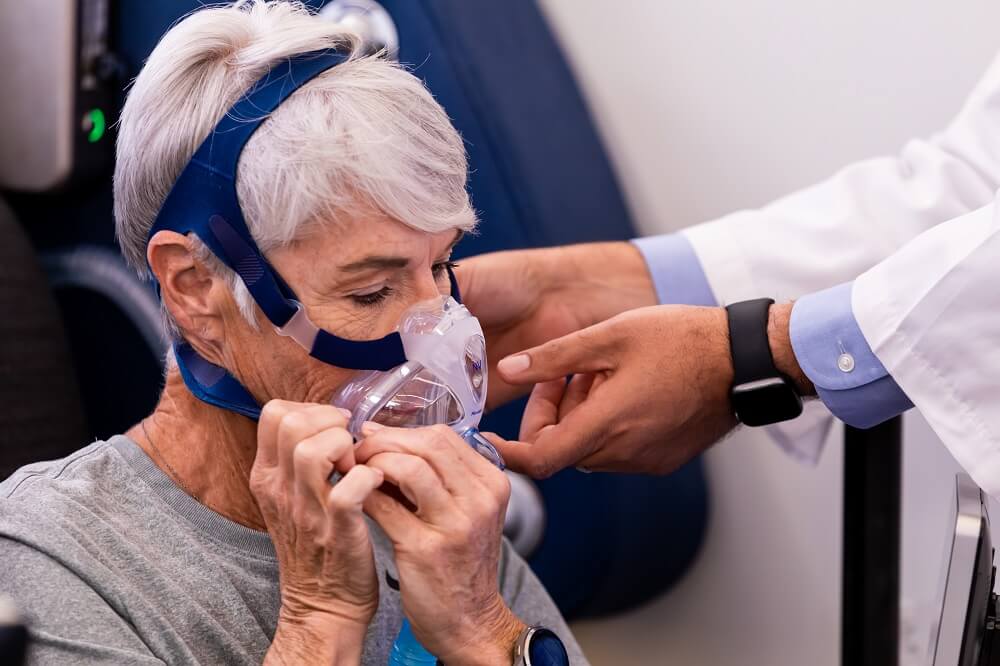
Personalized Fibromyalgia Treatment at Aviv Clinics
Treatment at Aviv Clinics is highly individualized, based on a thorough physician evaluation and advanced assessments that may include cognitive testing, physical evaluations, and detailed symptom profiling. Once pre-treatment assessments are complete, Aviv’s clinical team prepares a personalized program for each client.
The Aviv Medical Program is not a one-size-fits-all approach to treating fibromyalgia or any other condition. We customize a program for each client by using:
- Custom therapy protocols tailored to patient assessments
- Multidisciplinary team including physicians, therapists, and specialists
- Continuous monitoring and adaptive modifications for optimal results
- Integration of non-drug therapies alongside conventional care
Therapies used in the Aviv Medical Program may include a combination of:
- The same unique hyperbaric oxygen therapy protocol used in the case study
- Cognitive training exercises
- Nutritional guidance
- Physical therapy
- Physical training
- Psychotherapy
- Other interventions as prescribed by Aviv’s physicians
This approach ensures that patients receive therapy precisely suited to their needs, maximizing potential improvements. Learn more about Aviv Clinics’ approach to fibromyalgia care.
Innovative Fibromyalgia Pain Relief Options Backed by Clinical Data
Fibromyalgia is a complex, widespread condition that affects between 2% and 8% of the world’s population. Current treatment options for fibromyalgia are primarily focused on symptom management rather than addressing the biological damage caused by FMS. For patients struggling with conventional treatments, the recently published fibromyalgia case study highlights the potential of HBOT in treating fibromyalgia syndrome.
Aviv Clinics is the most active non-military hyperbaric oxygen therapy provider in the United States. Our unique protocol and holistic medical program have helped many people with fibromyalgia restore their quality of life. If you’re looking for fibromyalgia pain relief options beyond medication, contact Aviv Clinics to learn more about hyperbaric oxygen therapy as part of the Aviv Medical Program. You may also request a complimentary consultation with one of our board-certified physicians.
Partnering for Recovery: Aviv Clinics and Koterra Partner to Offer PTSD and TBI Treatment for Veterans
The Invisible Wounds of Military Service
Tens of thousands of U.S. Veterans live with the invisible wounds of service: chronic pain, emotional distress, cognitive decline, and difficulty functioning in daily life. These symptoms are often the chronic effects of traumatic brain injury (TBI), concussions, or post-traumatic stress disorder (PTSD). While TBI and PTSD may be invisible injuries, they can have a very real impact on quality of life.
Despite growing awareness, treatment options for these conditions are limited, and access to effective treatments remains underfunded by federal programs. But that’s beginning to change.
Expanding Access to Veteran Medical Treatment Through Collaboration
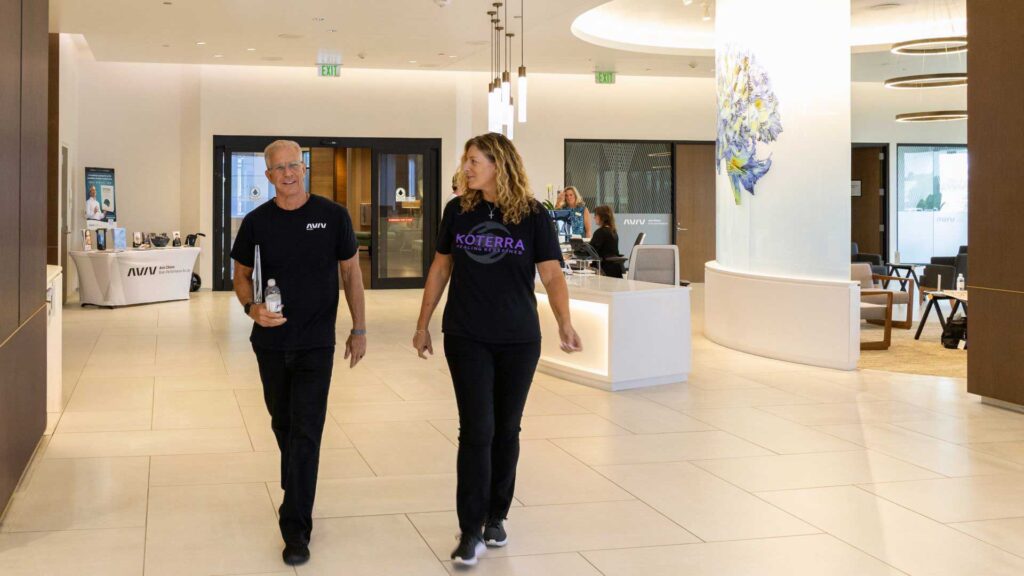
On July 1, 2025 at our clinic in central Florida, Aviv Clinics announced our new partnership with Koterra, a nonprofit organization dedicated to helping Veterans access the care they need to recover. Together, we are working to make advanced, evidence-based treatment available to Veterans suffering from PTSD, TBI, and other invisible injuries.
Under this new alliance, Aviv Clinics serves as a Veteran Care Collaborator, providing individualized care for Koterra-sponsored Veterans. Koterra, in turn, raises the funds needed to make treatment possible and collects outcome data to ultimately drive long-term change in Veteran healthcare advocacy.
“As scientific research continues to advance, so too has Koterra’s mission to help Veterans suffering from TBI and related invisible wounds including suicidal ideation, post-traumatic stress, and moral injury,” said Patti Brady, Koterra’s founder and CEO. “Our partnership with Aviv Clinics is uniquely promising. This world-class facility offers comprehensive pre- and post-treatment assessments that position Koterra to achieve its ultimate goal: making this treatment widely accessible through VA and insurance coverage.”
Since Koterra’s founding, the nonprofit has helped fund treatment for 10 Veterans in need of relief from their service-related conditions. Today, 10 more Veterans are on Koterra’s waitlist, ready to access treatment for PTSD and brain injuries through this partnership.

An Urgent Need for Veteran Brain Injury Treatment
In the two decades from 2000-2021, more than 450,000 U.S. service members were diagnosed with a traumatic brain injury. An estimated 11% to 20% of Veterans who served in Iraq and Afghanistan experience PTSD. Among those who have sustained a TBI, the risk of developing PTSD doubles.
These conditions are complex and often resistant to traditional care. While medications and therapies may address symptoms, these interventions frequently overlook the physical damage to brain structure and chemistry caused by both physical and psychological trauma. The demand for innovative, non-pharmaceutical options for Veterans has never been greater.
That’s where the Aviv Medical Program offers hope.
The Aviv Medical Program: Evidence-Based Treatment for Veterans
At Aviv Clinics, we offer a highly personalized program designed to target the root causes of cognitive, neurological and physical challenges. Depending on the individual’s specific needs, the program may include:
- Hyperbaric Oxygen Therapy (HBOT)
- Cognitive exercises
- Physical training
- Nutritional coaching and support
- Additional therapies as prescribed by Aviv’s clinical team
An evidence-based hyperbaric oxygen therapy protocol plays a central role in the Aviv Medical Program. Clinical studies have shown that this therapy can promote neuroplasticity, stimulate stem cell activity, and enhance blood flow in damaged brain tissue. Research conducted by Dr. Shai Efrati and colleagues at the Sagol Center for Hyperbaric Medicine in Israel, where the Aviv hyperbaric protocol was developed, has demonstrated statistically significant improvements in memory, attention, executive function, and PTSD symptom severity in Veterans treated with HBOT. The HBOT protocol used in these studies is not the same as the traditional HBOT offered in most other locations.
Watch: CBS Sunday Morning reports on the Aviv Protocol for treating PTSD.
The Aviv Medical Program is not a one-size-fits-all treatment. Each plan is tailored to the Veteran’s needs, guided by a detailed series of assessments and evaluations. Our evidence-based care for Veterans offers measurable results in both physical and cognitive performance.
Koterra’s Mission: Veteran Healthcare Funding and Advocacy
Koterra was created to ensure that more Veterans have access to therapies that can truly change their lives, regardless of whether those treatments are currently covered by insurance or the VA. But the organization’s mission goes far beyond direct support.
Koterra is actively involved in Veteran healthcare advocacy, working to influence long-term policy change. By collecting and sharing clinical data from each Veteran they sponsor, Koterra helps build the case that innovative, science-backed PTSD and TBI treatments should be covered by both the VA and private insurers.
“Our partnership with Koterra is a powerful step toward making life-changing treatments more accessible to the Veterans who need them most,” says Dion Atchison, Aviv Clinics COO and U.S. Army Veteran. “Together, we are providing vital care that can help improve the cognitive and physical well-being of Veterans, and in turn, gathering critical data that will support the broader adoption of therapies like hyperbaric oxygen therapy in the VA system.”
Building Momentum: Expanding Access to HBOT for Veterans Nationwide
That advocacy, by Koterra and other like-minded organizations, is beginning to gain traction. Several states have launched pilot programs through their Veterans Affairs departments to cover HBOT for qualified Veterans. And at the federal level, momentum is building. In May 2024, the HBOT Access Act for Veterans — a bipartisan bill introduced in the U.S. House of Representatives — moved forward after passing out of the House Committee on Veterans’ Affairs. If signed into law, the bill would potentially expand access to HBOT for Veterans struggling with TBI and PTSD.
Koterra’s work, in partnership with Aviv Clinics, is helping lay the groundwork to support further change.
How You Can Help Fund PTSD and TBI Treatment for Veterans
Veterans who complete the Aviv Medical Program often describe it as transformative. They report clearer thinking, improved mood, better sleep, and renewed energy. Many return to work, reconnect with loved ones, and reclaim parts of their lives that once felt out of reach.
Veteran Treatment Success Story: Norman Moser
One such Veteran is Norman Moser, who sustained multiple traumatic brain injuries during his 40 years of military service. Battling severe suicidal ideation, Moser came to Koterra in search of lasting healing and found it through treatment at Aviv. Today, his cognitive function, sleep, anxiety, and physical endurance have dramatically improved.
“After decades of living with the invisible wounds of service—traumatic brain injuries, memory loss, and relentless anxiety—I had nearly given up hope. Aviv didn’t just help me recover; it gave me my life back,” said Moser. “I can think clearly, sleep deeply, and enjoy things I thought I’d lost forever, like reading and driving. My endurance has skyrocketed—I’m running again for the first time in years. For the first time in a long time, I feel strong, focused, and truly alive.”
But for every Veteran like Moser who completes treatment, others are still waiting.
Support Treatment and Advocacy for Veteran Care
Koterra currently has 10 Veterans waiting for funding to receive care at Aviv Clinics. These men and women have served our country and are now seeking the care they need to reclaim their lives.
You can help. If you’d like to sponsor PTSD treatment for Veterans and help fund advanced brain injury support, please consider donating to Koterra today. Your gift will help provide treatment for those on the waitlist and expand access to effective, evidence-based Veteran care.
Visit www.koterra.org/ to make a contribution or learn more.
pTau Testing for Alzheimer’s Risk: What It Is, Why It Matters, and How Aviv Clinics Can Help
As the years progress, it’s common for us to become more aware of occasional memory lapses or moments of forgetfulness. But when do these minor gaffes become a cause for concern? At Aviv Clinics, we believe in the power of proactive aging, and we’re proud to introduce walk-in pTau-217 testing for Alzheimer’s risk to our many brain health offerings. This groundbreaking blood test can help assess your risk for developing Alzheimer’s disease, even before symptoms appear.
With Alzheimer’s disease affecting nearly 7 million people in the United States alone, you may be curious if pTau testing is right for you. Here’s what you need to know about pTau testing at Aviv Clinics, and how it can fit into a comprehensive plan to protect your brain health.
What Is pTau?
Phosphorylated tau, or pTau, is a protein found in the brain. In healthy brains, tau proteins can help stabilize the structure of neurons, or nerve cells. But in the early stages of Alzheimer’s disease, tau becomes abnormally phosphorylated, forming tangles that disrupt communication between brain cells.
Although pTau isn’t considered a direct cause of Alzheimer’s disease, high levels of pTau in the blood are now recognized as one of the most accurate indicators of early Alzheimer’s disease. Elevated pTau levels are correlated with brain atrophy, cognitive decline, and accumulation of amyloid plaques.
Importantly, the presence of elevated pTau does not confirm a diagnosis of Alzheimer’s but suggests an increased likelihood of associated brain changes.
Why Aviv Clinics Offers pTau Testing
Until very recently, detecting Alzheimer’s pathology in the brain required invasive spinal taps or expensive PET scans. The recent development of blood-based biomarkers like pTau has transformed early detection, offering a faster, simpler, and more accessible path to answers.
While pTau-217 testing is not yet FDA-approved as a standalone diagnostic tool, emerging research shows its strong potential to aid in early risk assessment for Alzheimer’s-related pathology. At Aviv Clinics, we offer this test as part of a broader approach to brain health for individuals interested in gaining early insights, especially those with risk factors or mild cognitive symptoms.
Research published in January 2024 noted that commercially available pTau-217 testing showed “high diagnostic accuracy.” In their analysis, pTau tests outperformed all other blood-based biomarkers in predicting amyloid and tau status.
How Accurate Is the pTau Test Compared to Other Alzheimer’s Tests?

The pTau blood test offers comparable accuracy to other tests available. Additionally, tests that measure pTau provide an early glimpse into changes in the brain that may be happening silently.
Although traditional cognitive screening tests can reveal signs of dementia or Alzheimer’s disease, these are typically not performed until a patient begins to experience preliminary symptoms. However, our bodies can show elevated levels of pTau-217 more than 20 years prior to the onset of Alzheimer’s disease symptoms.
The pTau blood test has comparable accuracy to spinal fluid analysis and PET scans. Unlike these complex tests, however, it only requires a simple blood draw to perform.
Despite these strengths, it is important to recognize that no test is perfect. Conditions like chronic kidney disease, stroke, and myocardial infarction can also increase pTau levels, potentially leading to false-positive results. For those with high pTau levels, further evaluation and testing are required to confirm their source.
While early results are encouraging, clinical interpretation should always be done in context and in consultation with a trained healthcare professional. At Aviv Clinics, our physicians will carefully review your pTau results with you, provide clear answers, and tailor any recommended follow-up to your specific needs.
Who Should Consider a Walk-in pTau Test?
The pTau-217 test is ideal for individuals who meet one or more of these criteria:
- Are age 60 or older
- Have a family history of Alzheimer’s or dementia
- Are experiencing subtle or unexplained cognitive changes
- Want a baseline assessment of their brain health
This test is not currently approved as a screening tool for the general population and should be interpreted as part of a larger clinical picture.
What to Expect When You Get a pTau Test at Aviv Clinics

The process of pTau testing at Aviv Clinics is simple:
- Pre-Testing: You don’t require an appointment or have to fast before pTau testing at Aviv. However, as with many blood tests, you should not take biotin supplements for a minimum of three days before your blood draw. If you take a daily multivitamin, please check its ingredients to determine if it contains biotin.
- Blood Draw: A simple blood sample is taken during your walk-in testing visit at our clinic at The Center for Advanced Healthcare in The Villages®.
- Analysis: Your sample is sent to a certified laboratory and tested for pTau levels.
- Results: After approximately 10 days, one of our board-certified physicians will review your test results with you and discuss and what steps, including lifestyle interventions, you can take next to preserve your brain health.
What Happens After You Get Your pTau Results?
Our physicians will evaluate your results in the context of your full medical history. Depending on your results, they may recommend further imaging or cognitive testing when indicated.
Your results are just the beginning. Whether your pTau levels are elevated or normal, we’ll help you:
- Understand your current brain health profile
- Identify lifestyle risk factors
- Determine whether additional assessments are appropriate for a more in-depth evaluation
- Explore personalized interventions, including the Aviv Medical Program, which can be tailored to address your cognitive performance.
Why Early Detection Matters: The Aviv Clinics Approach

Blood-based biomarkers like pTau are the next frontier in Alzheimer’s research and prevention. Aviv Clinics is proud to be part of this future by offering cutting-edge tools that empower individuals to take charge of their brain health.
The earlier you understand your cognitive health, and the more options you have for both prevention and treatment. If testing reveals that your pTau levels are elevated, you may be a candidate for more advanced cognitive assessments, targeted brain health therapies, or ongoing monitoring to track changes over time. You may consider lifestyle modifications like dietary changes, physical activity, and stress management. These factors, and others, can have a direct impact on your brain health.
For those looking to take a more proactive approach, Aviv Clinics offers comprehensive, personalized programs designed to enhance brain performance. Our clinical team will create a custom Aviv Medical Program based on your test results, physiology, medical history, and personal goals. Your tailored plan may include a combination of evidence-based interventions such as:
- Our unique hyperbaric oxygen therapy protocol
- Cognitive exercises
- Nutritional counseling
- Physical training
- Other therapies as prescribed
If testing reveals that your pTau levels are within normal range, you’ll have a valuable baseline to compare against in the future.
Either way, this test allows you to take charge of your cognitive health today — when you can work towards making a meaningful difference. Early identification of at-risk individuals, particularly those with mild symptoms or risk factors, can help tailor effective interventions.
At Aviv Clinics, pTau testing is used as part of an integrative approach rather than a standalone diagnosis.
Is pTau Testing Covered by Insurance?
At this time, pTau-217 testing is not covered by Medicare, Medicaid, or private insurance. This means the cost of these tests is typically out-of-pocket. However, patients with a Health Savings Account (HSA) or Flexible Spending Account (FSA) may be covered if deemed medically necessary. If you have an HSA or FSA, we recommend you contact your plan administrator and inquire about coverage.
How Much Does pTau Testing Cost?
Aviv Clinics offers pTau-217 testing for $300 on a walk-in basis, making this advanced biomarker test both accessible and affordable. We also offer a more comprehensive blood test for Alzheimer’s risk that reviews both pTau and amyloid beta proteins at a cost of $600. Unlike testing conducted at clinical laboratory services, this cost also includes physician interpretation of your results.
When certain conditions apply, pTau testing may qualify as a tax-deductible expense in the United States. Consult your tax advisor for more information about deductible medical expenses.
Are you interested in pTau testing as part of a broader evaluation of your cognitive health? Contact our team for details.
Take the Next Step
If you’re an older adult and starting to think more seriously about your brain health, you’re not alone. Fortunately, with cutting-edge tools like pTau testing, Aviv Clinics empowers you to take control of your cognitive health, now and in the future.
Whether you’re concerned about memory changes, have a family history of Alzheimer’s, or want a clearer picture of your brain health, our team is here to help.
Call Aviv Clinics at 352-492-6634 or reach out through our contact form to learn more, or stop by our clinic in The Villages between 8:00 AM and 4:00 PM, Monday through Friday for your walk-in pTau blood test.
Your brain deserves a proactive plan. Aviv Clinics is ready to help you build it.
How Caroline Ducharme Overcame Chronic Post-Concussion Syndrome and Returned to Championship Basketball
When the final buzzer sounded in the University of Connecticut’s victory in the 2025 NCAA Women’s Basketball National Championship, one of Caroline Ducharme’s lifelong dreams finally came true. She was a national champion.
But not long ago, Ducharme’s lifelong dreams were in jeopardy. She feared she would never play at an elite level again, lift a national championship trophy, or pursue her goal of a career in pro basketball. It took nearly two years of setbacks, countless therapies, and unanswered questions before Caroline finally found her path back to the court at Aviv Clinics.
When Concussions Won’t Heal: Caroline Ducharme’s Struggle
After suffering multiple on-court concussions, Caroline developed persistent post-concussion syndrome (PCS). Her lingering symptoms included constant headaches, sensitivity to light and noise, blurred vision, problems with memory and concentration, and difficulties with balance and coordination. Despite the support of UConn’s athletic staff and countless specialists, Ducharme’s concussion symptoms forced her to miss more than 60 games.
Her future felt uncertain.
“I remember just like breaking down… like, this is never going to get better,” Ducharme recalls. She thought, “I’m going to be stuck like this. And I don’t see the point in getting better if I’m never going to play basketball again.”
Unfortunately, Caroline’s experience is not uncommon. Research shows that as many as 30% of people with a concussion will develop chronic post-concussion symptoms that persist for months or even years. This daily struggle can disrupt school, work, relationships, and the ability to live a full life.

After more than a year of heartbreak and frustration, Caroline and her family decided to explore a new path: treatment for post-concussion syndrome at Aviv Clinics. What happened next changed the course of both her basketball career and her life.
What Is Post-Concussion Syndrome — and Why Is It So Hard to Treat?
For most people, concussion symptoms gradually subside over the course of a few weeks. But for some like Caroline Ducharme, these symptoms persist and evolve into post-concussion syndrome (PCS).
PCS is a complex neurological disorder in which the brain doesn’t fully recover from its injury. People with PCS may experience a mix of symptoms that linger for months or even years, including:
- Recurring Headaches and migraines
- Dizziness and balance issues
- Mental fatigue, brain fog
- Cognitive challenges including memory problems and attention issues
- Sleep disruptions (insomnia or sleeping too much)
- Emotional symptoms such as depression, anxiety and mood swings.
These symptoms and others often fluctuate, intensify with activity, and resist traditional treatment.
While many therapies for PCS and mild traumatic brain injuries (TBIs) focus on managing symptoms, few address the underlying disruptions in brain function. Studies suggest that lingering concussion symptoms may result from impaired blood flow and oxygen delivery in the brain — disrupting the brain’s ability to function and heal. Standard imaging tests like CT scans and MRIs can miss these subtle changes.
What Is Post-Concussion Syndrome — and Why Is It So Hard to Treat?
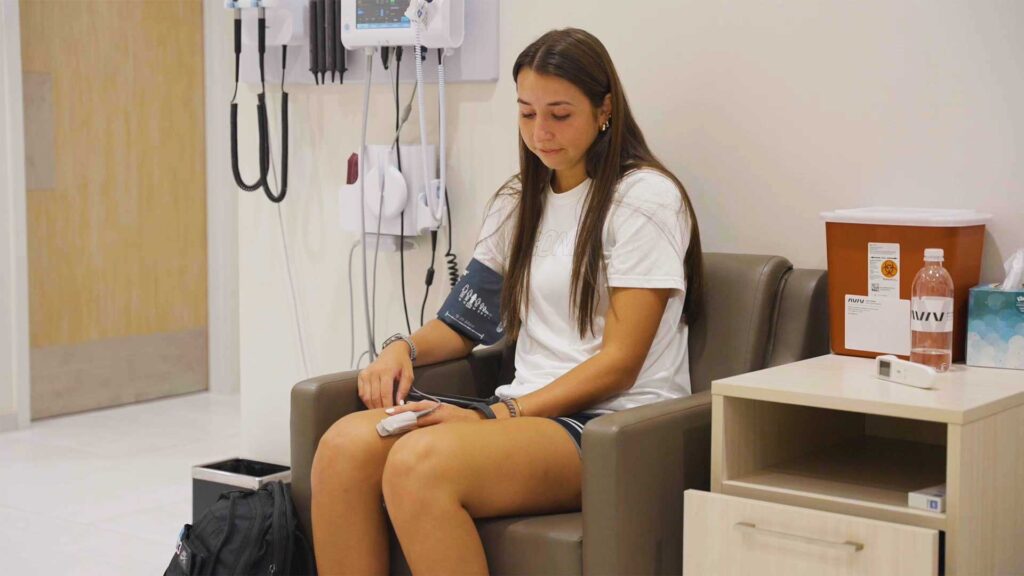
Recovery can be even more challenging for people who have experienced multiple concussions over time. Repeated head injuries can cause cumulative damage and significantly hinder the healing process.
That was part of the reason Caroline’s case was so complex: her brain injuries had stacked up, and her symptoms were no longer following a predictable path.
“Multiple concussions accumulate. It’s not like you have one, you recover, and you completely start from normal when you have the next one,” explains Amir Hadanny, MD, PhD, Aviv Clinics’ chief medical officer and head of research. “When subsequent injuries occur, the brain is more vulnerable, leading to more severe and lasting consequences. This is what we see in Caroline’s case.”
Despite top-tier medical support, Caroline Ducharme’s concussion symptoms didn’t improve. Like many people with PCS, she wondered if she would ever feel like herself again.
That’s what ultimately led Caroline and her care team to consider a different path: one focused on restoring brain health at its core.
Discovering Aviv Clinics: A New Path to Post-Concussion Recovery
When Caroline and her family arrived at Aviv Clinics in central Florida, they were searching for more than symptom relief. They wanted answers and results.
To fully understand Caroline’s challenges, the Aviv Clinics team performed the most thorough medical assessment Caroline had ever received, including:
- High-resolution MRI imaging, followed by
- High-resolution SPECT imaging to measure brain structure and activity
- Scientifically validated objective cognitive testing to measure attention, memory, focus, and processing speed
- Extensive blood tests to examine potential biomarkers
- Gait, power, and balance analysis to evaluate motor function
- Cardiopulmonary exercise test to evaluate endurance, heart, lungs, and muscles.
Caroline’s testing confirmed decreased function in some areas of her brain, confirmed by both imaging and cognitive testing.
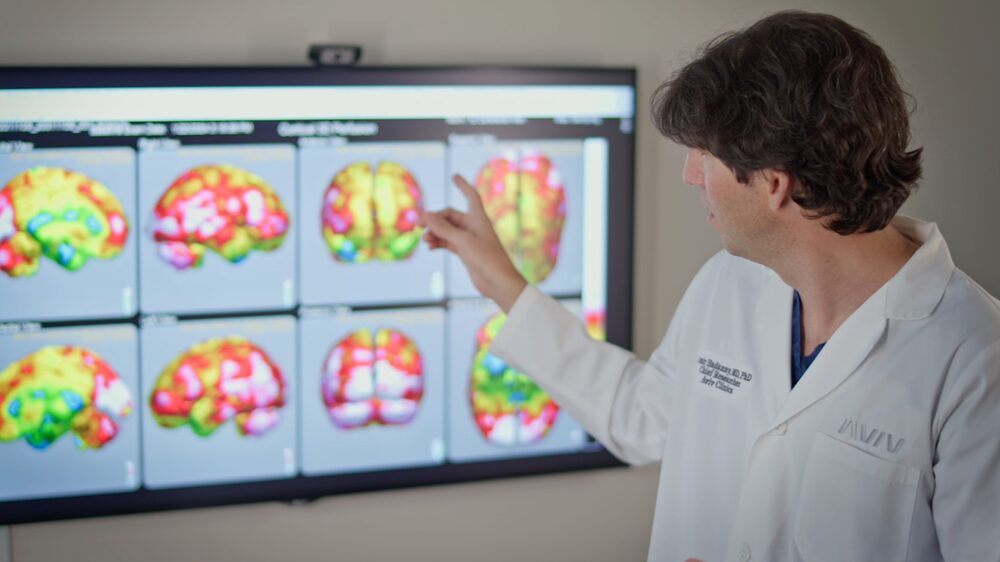
“When we see decreased functioning in multiple areas of the brain, it makes it harder to think through things, to make sense of things,” explains Aviv Clinics head of neuropsychology, Roger Miller, PhD. “And we saw this in her testing, that her processing speed was slow. This is extremely common with concussive injuries.”
After a comprehensive review of her assessment results, the clinical team at Aviv determined that they could make a difference for Caroline, but it would take time.
A Personalized Treatment for Post-Concussion Syndrome
Armed with a detailed understanding of Caroline’s condition, Aviv’s clinical team of physicians, neuropsychologists, physiologists, physical therapists, and other professionals crafted her personalized medical program. Over the next 12 weeks, Caroline committed to a comprehensive regimen of evidence-based therapies, including:
- A scientifically-backed hyperbaric oxygen therapy (HBOT) protocol
- Cognitive exercises and dual-task training
- Physical training and physical therapy
The Aviv Medical Program isn’t a passive therapy or medication that offers instant relief. It requires time and work. As an elite athlete, Ducharme embraced the challenge.
“It’s been really challenging. I didn’t think it would be this hard,” she admitted. “I come home and I’m exhausted and I didn’t really sweat. It’s a different type of exhaustion.”
How Hyperbaric Oxygen Therapy and the Aviv Medical Program Support Brain Recovery
The Aviv Medical Program is rooted in the science of neurorehabilitation and brain plasticity. By breathing 100% oxygen in a pressurized environment, Caroline dramatically increased the amount of oxygen delivered to her brain tissue. Peer-reviewed, published scientific research indicates that the HBOT protocol used at Aviv Clinics promotes the growth of new blood vessels, reduces inflammation, and helps restore function in damaged areas of the brain.
But her two-hour HBOT sessions were only one element of the program. Every day, she met with specialists focused on helping her make the most of these improvements. Customized nutritional guidance, neurocognitive training and physical therapies helped Caroline:
- Improve cognitive speed and clarity
- Reduce headaches and visual disturbances
- Enhance balance and coordination
- Increase energy and stamina
- Elevate mood and emotional resilience
“Brain recovery is hard work. It doesn’t end in a week or two,” says Dr. Hadanny.
“It takes time to create new pathways and new blood vessels. The brain needs time to establish new neural pathways and develop new blood vessels—a complex process that can’t be rushed. Patients often find this journey frustrating because progress isn’t linear. There are inevitable setbacks and breakthroughs, but the overall trajectory is always upward.”
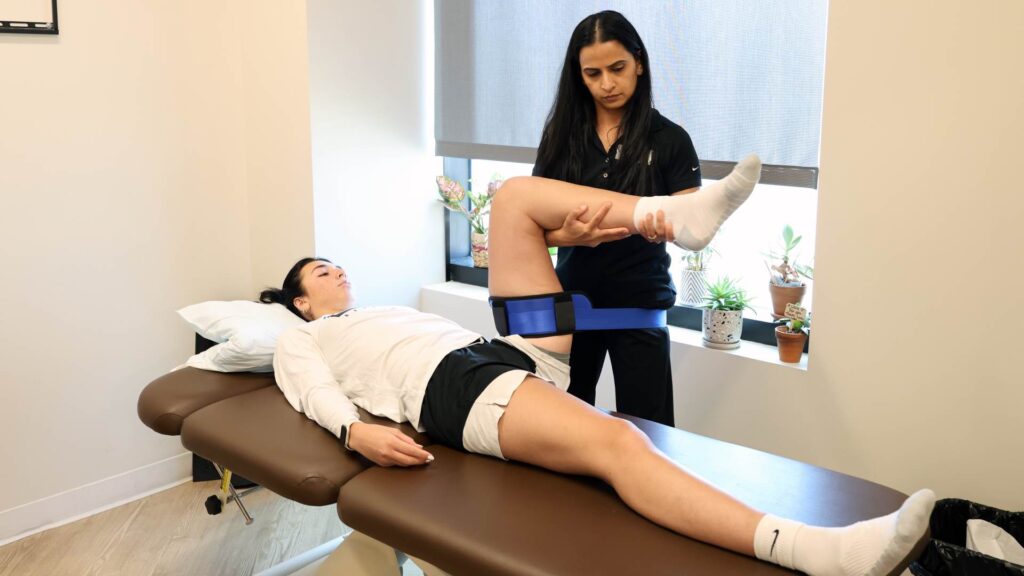
Over time, Ducharme’s symptoms began to ease, and she started to feel more like herself — physically, mentally, and emotionally.
“Coming in, I was definitely a little hesitant to get my hopes up,” Caroline admits. “Now I have a newfound hope for getting back into basketball… and being able to be the player I was, the person I was.”
While Caroline was healthier and more hopeful after finishing the program, she still wasn’t ready to compete. She spent the following months continuing her rehab and gradually rebuilding her confidence and stamina.
The Next Chapter in Caroline Ducharme’s Concussion Recovery Story
By the end of the 2024-2025 college basketball season, Caroline had made enough progress to join her teammates on the court. She made her season debut late in a blowout win against Butler, more than 15 months after her last on-court appearance.

As UConn pushed through the Big East championship and the NCAA women’s tournament, Caroline’s on-court minutes were limited, but her presence was powerful. At the end of the season, she was finally able to achieve one of her lifelong goals, lifting a national championship trophy.
For the first time in nearly two years, she sees a path forward. She recently announced that she’ll return to UConn for her senior season, proof that she believes her dreams of a professional basketball career are still within reach.
“I’m definitely happy with where I am but I’m continuing to get better,” Caroline told CBS Sports in an April 2025 interview. “This is not where I want my story to end.”
A Path to Recovery From Chronic Concussion Symptoms
Although Caroline Ducharme’s story is still unfolding, she’s now back on the court, back in the classroom, and back to pursuing her goal of a professional career in basketball. Her experience is a reminder that recovery from post-concussion syndrome is possible, even after months or years of suffering.
At Aviv Clinics, our evidence-based program is designed to treat people who want answers, real improvement, and the chance to reclaim their lives. Our unique combination of in-depth assessments and multidisciplinary therapies offers hope for people with lingering concussion symptoms.
If you or someone you love is struggling with post-concussion syndrome, contact Aviv Clinics today to schedule a complimentary consultation and discover whether our personalized treatment program is right for you.

Dry January: The Science-Backed Health Benefits of Taking a Break from Alcohol
For many of us, the holiday season was a whirlwind of joy and indulgence — a little eggnog here, a glass of champagne there. Now that the festivities have wound down, the new year offers an opportunity to reset. Many people, including you or your friends, may be embracing Dry January, committing to a month without alcohol.
For some, Dry January is simply a recovery period after an indulgent December. However, this growing trend also offers an opportunity to refresh your body and mind, while setting the stage for a healthier year ahead.

What is Dry January?
Dry January is a commitment to go alcohol-free for a full month. It’s a time to consider how drinking affects your physical and mental health, social connections, and even your wallet. Whether you indulge occasionally or often, taking a month-long break can provide valuable insights, as well as unexpected benefits.
Dry January Health Benefits
Socially, Dry January allows us to notice how often alcohol is part of our gatherings and explore new ways to connect with others. But the health benefits of Dry January extend far beyond social interactions.
- One of the most immediate improvements many notice is better sleep. Alcohol disrupts REM sleep, the most restorative stage of the sleep cycle. Without drinking, you’re likely to sleep more deeply, wake up feeling rested, and experience increased energy levels.
- Dry January also offers a boost to our mental and physical health. Many participants report feeling calmer, more focused and less anxious. Physical benefits include lower blood pressure, better liver function, and even a faster metabolism — a bonus if weight loss is one of your resolutions! These changes are especially significant for older adults, as the body becomes less efficient at processing alcohol with age.
- Beyond the immediate advantages of Dry January, studies show participants tend to drink less often and in smaller amounts after the month ends. Remarkably, up to 8% of participants remain alcohol-free six months later, demonstrating its potential for lasting change. Research also shows that those who eventually return to drinking also tend to drink less.
- Finally, completing Dry January can provide a sense of accomplishment. Meeting this challenge inspires confidence, encouraging other positive lifestyle changes in the new year.

Setting Yourself Up for Success
If the benefits of Dry January sound appealing, it’s not too late to start. You can practice its principles during any month of the year, meaning you can celebrate a Moderate May or Sober October.
Preparing for this challenge increases your chances of success. Start by sharing your goal with a friend or accountability partner. Having someone to support and motivate you significantly enhances your odds of success.
Make your home a supportive environment by removing alcohol and stocking up on satisfying alternatives like sparkling water or mocktail ingredients. It’s also helpful to plan ahead for social situations: If your usual evening or weekend plans involve a bar, try a new activity like going to a movie or hosting a game night.
Breaking the challenge into manageable steps can help prevent it from feeling overwhelming. It takes about 21 days to establish a new habit, so making a month-long commitment can lead to lasting change.
Making a Kind Commitment to Yourself
Above all, approach Dry January with kindness. Your focus should not be on perfection but instead on taking steps toward better health and balance. If you slip up, don’t throw in the towel. Each day offers a chance to recommit.
By the end of the month, many participants find they’ve gained more than they expected: better sleep, improved clarity, and a fresh perspective. Whether you continue abstaining or reintroduce alcohol, Dry January can be a meaningful way to start the year on a positive note.
Best Non-Alcoholic Drinks for Dry January
If you enjoy the routine of an aperitif, an after-dinner drink, or cocktails with friends, nutrition and lifestyle coach Arnetra Shettleworth suggests several recipes for Dry January mocktails. These beverages will allow you to enjoy the experience and flavor of a fancy cocktail, only without alcohol.

Tart Cherry and Lime Mocktail (Serves 1)
Prep: 5 min. | Total: 5 min.
Nutrition information per serving: 25 cal., 6 g. carbs, 0 g. fiber, 0 g. fat, 0 g. protein
Ingredients:
- 2 Tbsp. tart cherry juice
- Juice of 1/2 lime
- 1 1/2 c. sparkling water
Mix:
- Fill a tall (Collins-style) glass with ice
- Add juice and sparkling water
- Squeeze in lime juice
PSL Mocktail (Serves 2)
Prep: 5 min. | Total: 10 min.
Nutrition information per serving: 67 cal., 10g. carbs, 1 g. fiber, 3 g. fat, 1 g. protein
Ingredients:
- 2 cups plain, unsweetened almond milk
- 1 cup brewed coffee
- 2 Tbsp. pumpkin puree
- 1 Tbsp. coconut sugar
- 1 tsp. vanilla extract
- 1/2 tsp. ground pumpkin pie spice
Mix:
- Brew coffee (you may set aside until ready)
- In a saucepan over medium heat, combine almond milk, pumpkin puree and coconut sugar. Heat to a gentle simmer, but do not boil.
- Remove from the heat and whisk in pumpkin pie spice, vanilla and coffee.
- Pour into mugs and enjoy either hot or over ice.
Ginger Pomegranate Mocktail (Serves 4)
Prep: 5 min. | Total: 2 hours, 5 min.
Nutrition information per serving: 84 cal., 20 g. carbs, 1 g. fiber, 1 g. fat, 1 g. protein
Ingredients:
- l tsp. grated ginger root
- l lemon, sliced
- 2 cups pomegranate juice
- 4 cups sparkling water
- 4 whole cloves
- 4 springs mint leaves
- l/4 cups pomegranate seeds
Mix:
- Combine juice, two lemon slices, ginger, and cloves, and refrigerate for a minimum of two hours.
- Strain the juice mixture into a clean container
- Pour over ice into four glasses and top with sparkling water.
- Add lemon slices, pomegranate seeds, and mint to garnish.
Festive Cran-Orange Mocktail (Serves 1)
Prep: 10 min. | Total: 10 min.
Nutrition information per serving: 103 cal., 26 g. carbs, 0 g. fiber, .2 g. fat, 0 g. protein
Ingredients:
- 1 tsp. crystallized ginger
- 2 tsp. sugar
- 1 tsp. grated frozen ginger root
- 1/2 c. sparkling water
- 1/4 c. cranberry juice
- 2 Tbsp. ginger beer
- l orange
- 1 sprig fresh rosemary
- 4-6 fresh cranberries
Mix:
- In a food processor, blend crystallized ginger and sugar. Place on a small plate.
- Grate frozen ginger root
- Run 1/8 of the orange around the rim of an old fashioned glass, then dip the rim into the ginger/sugar mixture.
- Fill the glass with ice.
- Add sparkling water, cranberry juice, juice from half the orange, and grated ginger. Mix well.
- Top with ginger beer
- Garnish with rosemary and cranberries
Improve Your Brain & Body Health Beyond Dry January
Dry January is just one of many methods to improve your cognitive, mental and physical wellness. At Aviv Clinics, we’re focused on optimizing your brain and body health through the revolutionary Aviv Medical Program.
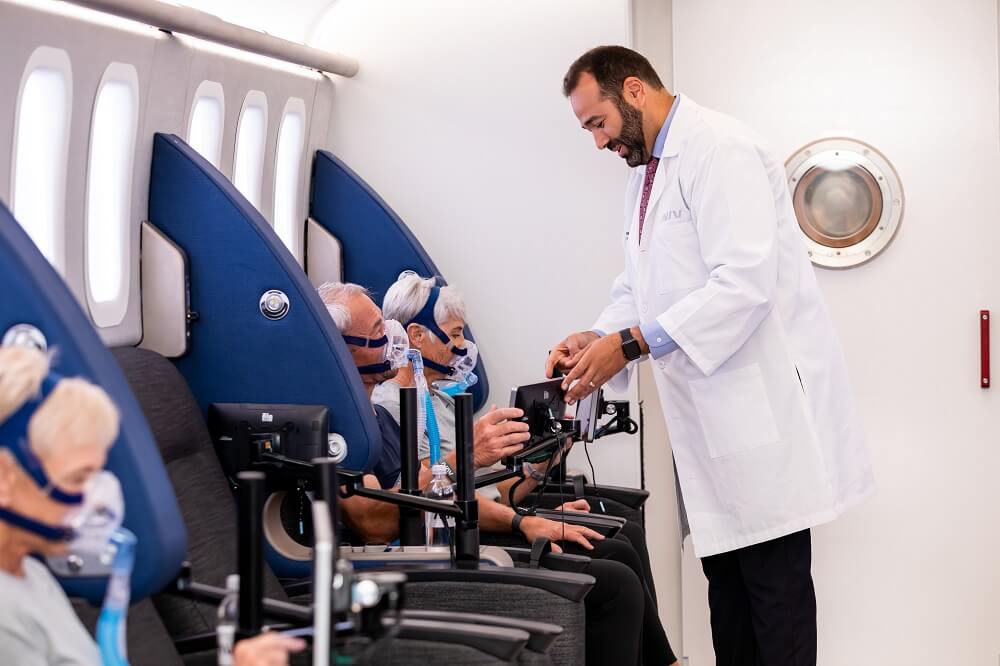
The Aviv Medical Program crafts a multidisciplinary treatment plan tailored to you and your needs and goals. This bespoke program is based on a physician-guided evaluation of your health, which can include:
- An extensive review of your health history
- A thorough physical examination
- Advanced brain imaging
- Neurological and neurocognitive assessments
- Body composition analysis
Our team of medical experts then uses your assessment results to design a personalized treatment regimen centered around your objectives and performance outcomes. Evidence-based therapies in your customized program can include:
- Physical fitness training
- Physical therapy
- Nutritional coaching
- Cognitive training exercises
- A unique, clinically-verified hyperbaric oxygen therapy protocol
- Other therapies as recommended by your Aviv Clinics medical team
The Aviv Medical Program builds your foundation for brain and body health by combining supportive therapies and lifestyle modifications.
For more information about Aviv Clinics, view a tour of our Central Florida clinic.
Contact us today for a complimentary consultation with an Aviv Clinics physician to determine if the Aviv Medical Program can help you reach your health goals.
The Future of Medicine: Five Years of Transforming Lives at Aviv Clinics
Five years ago, the idea of opening one of the world’s most advanced healthcare facilities in The Villages® sparked both curiosity and surprise. Why bring the future of medicine and such cutting-edge technology to a quaint retirement community?
The answer is simple: Residents of The Villages are committed to leading healthy, active, and purposeful lives. These values align closely with our mission at Aviv Clinics. As we celebrate our fifth anniversary in this vibrant community, we reflect on how our revolutionary approach to 21st-century medicine has evolved to help our clients thrive.
Pioneering 21st-Century Medicine
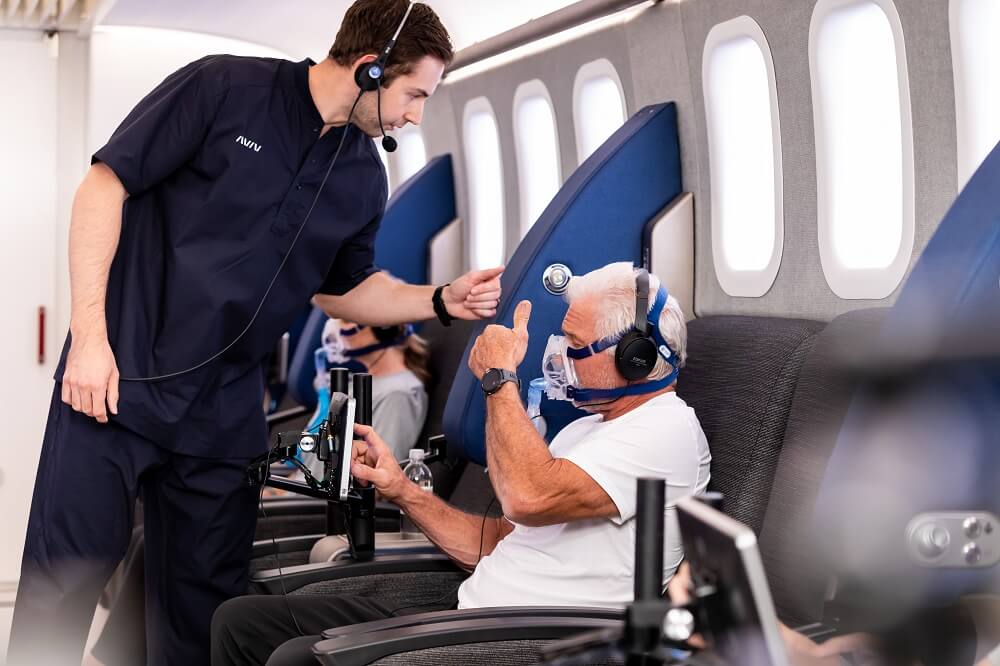
Aviv Clinics opened in 2020 with a mission to promote healthy aging and extend healthspan — the number of years lived in optimal health.
Over the years, our mission has expanded to encompass some of the latest health trends and the most pressing health challenges of our time.
Our scientific team’s groundbreaking research has led to advanced medical treatments for a wide range of conditions, including:
- Traumatic Brain Injuries (TBIs) and Post-Concussion Syndrome: Using cutting-edge technology and therapies, we support clients in achieving cognitive and physical recovery that was once thought unattainable. Our holistic program, which integrates evidence-based therapies, can stimulate neuroplasticity and recovery of brain tissue.
- Post-Stroke Rehabilitation: Many stroke survivors are told that recovery plateaus after six months. At Aviv Clinics, we defy this notion by helping clients regain physical and cognitive functionality,
often years after their stroke. Our advanced protocols enhance brain repair and improve quality of life. - Long COVID: Our research team’s clinical trials were the first to demonstrate significant improvements in both cognitive and cardiac function for long COVID patients. These results offer hope to those struggling with persistent symptoms, providing a comprehensive path to recovery through personalized medicine.
- PTSD: Post-traumatic stress can cause actual physical damage to brain tissue, leaving individuals grappling with invisible wounds. At Aviv Clinics, our approach offers clients a structured and compassionate pathway to recovery.
- Fibromyalgia: The chronic pain and fatigue of fibromyalgia can be debilitating and significantly impact quality of life. Misconceptions about this complex condition can complicate treatment options. Our holistic program targets fibromyalgia’s neurological damage with evidence-based therapies, helping clients regain control and improve their overall well-being.
These advancements underscore the promise of personalized medicine, where treatments are tailored to each individual’s unique needs and goals.
The Role of Personalization in the Future of Healthcare
In our vision, personalized treatment is truly the future of medicine and is at the heart of what we do at Aviv Clinics. Our multidisciplinary team — including neuropsychologists, nutritionists, athletic trainers, and physical therapists — works together to create individualized plans for every client. Our specialists collaborate on the care plan for each client, and are all found under one roof.
These specialists are essential to our holistic, multidisciplinary approach as we guide clients on their personalized paths to better aging and recovery.
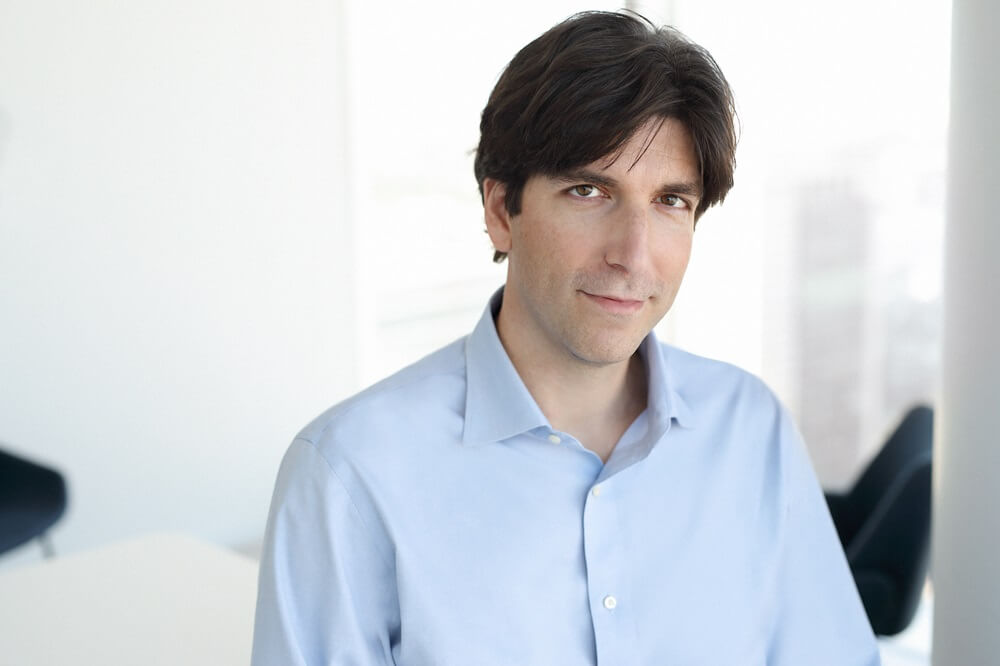
A particularly notable addition to our Villages team is Dr. Amir Hadanny, our Chief Medical Officer and Head of Research. Holding both an MD and a PhD, Dr. Hadanny is a renowned neurosurgeon, hyperbaric physician, and a Harvard research fellow with an extensive background in neurorehabilitation. His hands-on involvement in both research and client care exemplifies the level of dedication that drives our program.
Educational Initiatives: Empowering the Community
Beyond clinical advancements, we remain dedicated to empowering Villagers to take control of their health. Through our educational programs, we share insights into future health trends and evidence-based strategies for aging well.
- Aviv University: Offers in-depth classes taught by leading experts on topics such as healthy aging and longevity science.
- Global Aging Consortium: Brings renowned researchers to The Villages to share the latest developments in reversing the effects of aging.
- Community Seminars: Our popular panels and workshops provide actionable advice for maintaining health and vitality.
Long-Term Support for Lasting Results
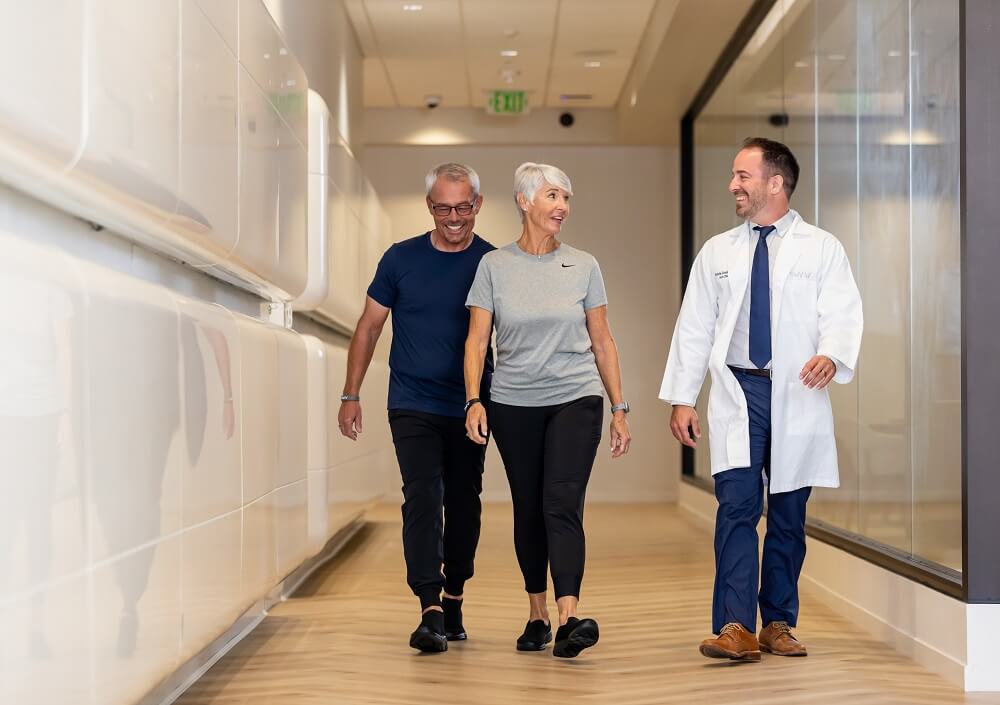
At Aviv Clinics, we recognize that our clients’ health journeys don’t end after their initial treatment program. Recently, we expanded our program to include five years of ongoing support to help them maintain and build on their progress. This includes:
- Annual physician check-ins.
- Group fitness sessions tailored to each client’s abilities and goals.
- Educational events to keep clients informed about the latest health trends.
This partnership reflects our dedication to personalized medicine and reinforces our role as a health care innovator for The Villages community.
Transforming Lives Through Advanced Medical Treatments
What began as a brain clinic has grown into a comprehensive center for lifelong health, offering innovative solutions for complex medical challenges. At Aviv Clinics, we’re shaping the future of medicine and empowering individuals to lead healthier, more fulfilling lives.

Experience the Future of Medicine
Are you ready to embrace the latest health trends and unlock your potential for longevity? Aviv Clinics invites you to experience the future of medicine and discover how personalized treatments and cutting-edge therapies can transform your life. Contact our clinic today at 833-576-0075 or complete our online form.