


Emotional Symptoms After a Concussion: Understanding Mental Health and Finding Relief

Periods of stress, including the holiday season, often make emotional and behavioral changes more noticeable. However, symptoms like mood swings, depression, anxiety, or irritability aren’t always explained by seasonal pressures or other stressors. For many people, a brain injury may be the culprit, even if the brain injury occurred years or decades earlier. Emotional symptoms after a concussion or traumatic brain injury (TBI) are far more common than most of us realize.
This time of year, it’s tempting to write off mental health concerns like these as the “holiday blues.” However, these emotional symptoms can manifest either as temporary challenges or chronic conditions. According to the National Institutes of Health, about 20% of adults in the U.S. have experienced some form of mental illness each year. What often goes unrecognized is how frequently these challenges can be linked to an old head injury. Here at Aviv Clinics, many of our clients are surprised to learn that their persistent mental health concerns may actually reflect the long-term effects of a past concussion, even if the injury happened in the distant past.
Understanding the connection between mental health after concussion and the brain’s healing potential is an important first step toward meaningful, science-based recovery.
Understanding Mental Health After a Concussion

While any of us can experience a mental health disorder, certain people are more susceptible. These include people experiencing stress, such as the death of a loved one or a decline in personal health, as well as those with a family history of mental illness, drug or alcohol abuse, or a personal history of abuse or neglect. Also at risk are people who have experienced a traumatic brain injury (TBI) or concussion, especially if the brain injury affects areas of the brain that regulate behavior and emotion.
Most of us understand that brain injury can result in cognitive impairments like memory loss. However, there is less awareness of the mental health issues that can also result from a brain injury. These mental health implications can also have a significant negative impact on the quality of life for a concussion or TBI survivor.
Common Emotional Symptoms After a Brain Injury

Behavioral and emotional symptoms that can emerge after a concussion or TBI include:
- Anxiety
- Depression
- Mood swings
- Irritability
- Change in sleep patterns (too much or too little)
- Post-traumatic stress disorder (PTSD), and more.
How Common Are Mental Health Challenges After a Concussion or TBI?
Just how common are mental health disorders following a head injury? One study published in JAMA Psychiatry revealed that one in five individuals may experience mental health symptoms up to six months after a concussion.
Another study published in Frontiers in Neurology found that people who have sustained a TBI are three times more likely to experience depression compared to those without a history of brain injury, and that the risk remains decades beyond the initial brain injury.
Innovative Treatments Helping Improve Mental Health After Concussion
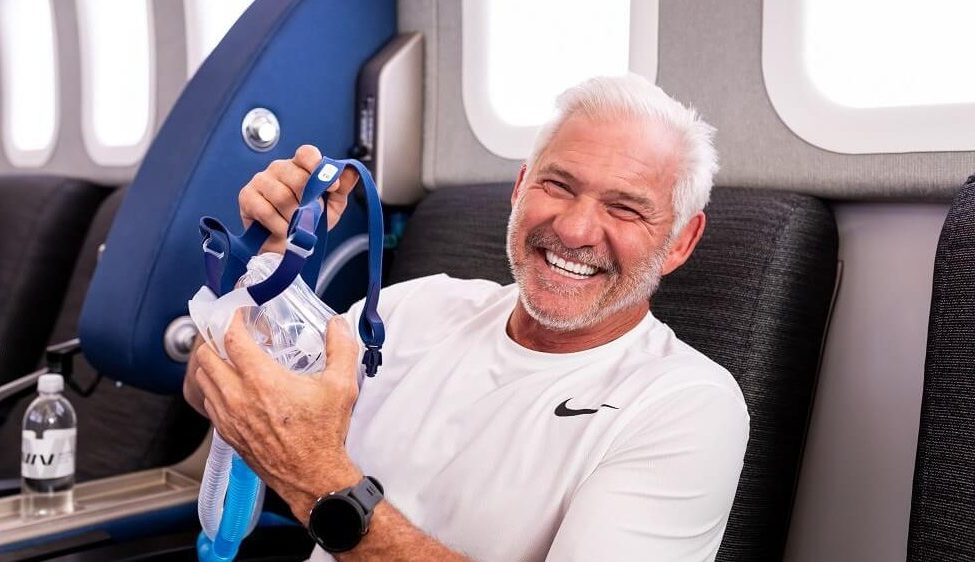
Innovative therapeutic medical programs that include the use of hyperbaric oxygen therapy (HBOT) are showing that the behavioral and emotional symptoms of brain injuries can be alleviated. A large body of research shows the effectiveness of HBOT for improving brain function and quality of life. In these studies, patients receiving HBOT showed significant improvement in mental health, decreased depression, decreased pain, and improvement in other disorders associated with mental health conditions, and overall quality of life. These studies used a unique, evidence-based HBOT treatment protocol that encourages damaged tissues to regenerate and heal faster, improving chronic impairments in patients with concussions and TBIs, even in brain injuries that are many years old.
My colleagues at Aviv Clinics are proud to be leading the way with a science-based and research-backed medical program designed to help concussion and TBI patients aged 13 and older improve their mental and physical abilities. We are one of the few clinics in the world using the exact protocol that researchers have proven effective to treat TBI and concussion.
Managing Stress and Mental Health During the Challenging Seasons

The holidays can certainly be stressful for all of us, but they don’t have to be.
The National Alliance on Mental Illness (NAMI) offers these tips for those struggling with seasonal depression or holiday anxiety:
- Stick to normal routines as much as possible
- Get plenty of sleep
- Take time for yourself, but don’t isolate yourself
- Eat and drink in moderation
- Get some exercise
- Simplify holiday tasks with a to-do list
- Set reasonable expectations and goals for holiday activities
- Set a holiday budget and don’t overextend yourself financially
- Listen to music and find ways to relax
When to Seek Help for Long-Term Emotional Symptoms of Concussion
Emotional challenges after a concussion can impact every aspect of your life. Aviv Clinics’ evidence-based program addresses the root causes of TBI-related mental health symptoms. Our personalized program can combine interventions like a specialized HBOT protocol, cognitive training, physical activity, and lifestyle support to help restore your emotional well-being.
If you or a loved one suffers from chronic behavioral challenges that you think may be related to a past concussion or other brain injury, contact Aviv Clinics to find out how we can help. Physician consultations are complimentary and are available live or virtually.
Last Update: December 2, 2025
Alzheimer’s & Dementia
pTau Testing for Alzheimer’s Risk: What It Is, Why It Matters, and How Aviv Clinics Can Help
 by Mohammed Elamir, MD, FACP , Physician
Brain Health
Surviving Carbon Monoxide Poisoning: Long-Term Damage Explained
 by Mohammed Elamir, MD, FACP , Physician
 Brain Health
Innovative Anoxic Brain Damage Care: The Power of Hyperbaric Oxygen Therapy
 by Mohammed Elamir, MD, FACP , Physician
The Aviv Medical Program: backed by nearly two decades of research
Pioneered by Dr. Shai Efrati, the Aviv Medical Program provides you with a unique opportunity to maximize your cognition and quality of life.